

The debate between electric and traditional compressor systems comes down to one thing: efficiency. Whether you’re running a small home workshop or a large industrial facility, the right compressor can slash your energy bills, reduce maintenance, and boost productivity. Modern electric compressors now outpace older traditional models in nearly every efficiency metric. Let’s break down the differences, explore smart technology, and highlight top picks to help you make an informed choice.
What Are Electric Compressor Systems?
Electric compressor systems use an electric motor to drive the pump. They are generally quieter, produce zero emissions on-site, and require less frequent maintenance than gas-powered or belt-driven traditional units. Many electric models today feature oil-free pumps, which eliminate the need for oil changes and reduce runtime energy waste.
Key benefits include:
- Lower operating costs – Electricity is often cheaper than gasoline or diesel.
- Reduced noise – Ideal for indoor use or noise-sensitive areas.
- Compact design – Electric motors are smaller and lighter than engines of equivalent power.
- Smart compatibility – Easy to integrate with digital controls and IoT monitoring.
The Case for Traditional Compressor Systems
Traditional compressor systems—often gas-powered or fixed-speed reciprocating units—have been the workhorse of job sites for decades. They offer portability without a power cord and can handle remote locations where electricity isn’t available. However, they come with trade-offs: higher fuel costs, more frequent maintenance (oil changes, spark plugs), and noise levels that can exceed 90 decibels.
In the context of energy efficiency, traditional fixed-speed electric compressors also fall short. They run at full speed all the time, even when demand is low. Modern electric variable-speed models adjust motor speed to match air demand, cutting energy consumption by up to 35%.
Efficiency Deep Dive: Electric vs Traditional
When comparing efficiency, focus on these factors:
| Factor | Traditional (Fixed-Speed/Gas) | Modern Electric (Variable-Speed) |
|---|---|---|
| Power consumption | Runs at 100% duty regardless of load | Only uses energy needed for demand |
| Duty cycle | Typically 50%–70% (needs cooldown) | 100% continuous operation possible |
| Heat dissipation | High heat loss from engine/motor | Lower heat, often with better cooling |
| Maintenance | Frequent oil/filter changes | Oil-free models need minimal upkeep |
| Noise level | 80–95 dB | 55–75 dB (quiet models) |
For deeper insights, read our guide on Energy-efficient Air Compressors: What Saves the Most Power?. Also, explore how Variable-speed Air Compressors Explained for Buyers can help you choose the right model.
Smart Air Compressor Technology Boosts Efficiency
Today’s electric compressors often come with smart controls that automatically adjust operation. Features like auto shut-off, pressure sensors, and real-time diagnostics prevent unnecessary runtime and reduce wear. IoT-enabled compressors allow you to monitor performance from your phone, catching inefficiencies before they cost you money.
Check out Smart Air Compressor Controls and Their Real-world Benefits to learn more. You can also reduce runtime further with tips from How to Reduce Air Compressor Runtime Without Sacrificing Performance?. For industrial setups, IoT Air Compressor Monitoring: Features to Look for is a must-read.
Top Electric Compressors for Maximum Efficiency
We’ve selected some of the best electric compressors on Amazon that exemplify modern efficiency. Whether you need a large tank for heavy-duty work or a portable unit for quick jobs, these models deliver.
Klutch 29-Gallon Air Compressor
Price: $329.99 | Rating: 4.4/5
This 2.5 HP, 175 PSI unit offers a 29-gallon tank and oil-free operation for no-maintenance use. Ideal for automotive and construction tasks.
ECOMAX 6-Gallon Pancake Compressor
Price: $169.99 | Rating: 4.7/5
Lightweight and oil-free, this 150 PSI pancake comes with a 10-piece accessory kit, making it perfect for home use and light DIY.
DEWALT 6-Gallon Pancake Compressor (DWFP55126)
Price: $204.99 | Rating: 4.6/5
A classic 165 PSI workhorse with high-flow accessories and a durable oil-free pump. Trusted by professionals.
PORTER-CABLE 6-Gallon Oil-Free Compressor (C2002-ECOM)
Price: $164.00 | Rating: 4.6/5
Another popular pancake model with 150 PSI maximum pressure and a high-efficiency motor. Quiet enough for indoor use.
CRAFTSMAN 2-Gallon Portable Air Compressor
Price: $149.99 | Rating: 4.1/5
Compact and lightweight (1/3 HP, 125 PSI), this oil-free unit includes a 10-piece accessory kit, ideal for brad nailers and inflation tasks.
Klutch 20-Gallon Air Compressor
Price: $299.99 | Rating: 4.4/5
A 2 HP, 175 PSI vertical tank compressor with stabilizers and thermal protection. Great balance of portability and capacity.
Comparison Table
| Product | Image | Price | Rating | Key Features | Buy Now |
|---|---|---|---|---|---|
| Klutch 29-Gallon |  |
$329.99 | 4.4 | 2.5 HP, 175 PSI, oil-free, 29 gal | Buy at Amazon |
| ECOMAX 6-Gal | 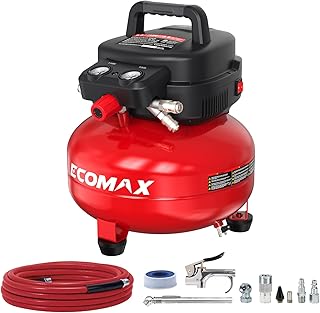 |
$169.99 | 4.7 | 150 PSI, oil-free, 10-pc kit | Buy at Amazon |
| DEWALT Pancake |  |
$204.99 | 4.6 | 165 PSI, 6 gal, high-flow | Buy at Amazon |
| PORTER-CABLE |  |
$164.00 | 4.6 | 150 PSI, oil-free, 6 gal | Buy at Amazon |
| CRAFTSMAN 2-Gal |  |
$149.99 | 4.1 | 125 PSI, 1/3 HP, 10-pc kit | Buy at Amazon |
| Klutch 20-Gallon |  |
$299.99 | 4.4 | 2 HP, 175 PSI, 20 gal, stabilizers | Buy at Amazon |
Which System Is Right for You?
If you want maximum efficiency, quiet operation, and minimal maintenance, a modern electric compressor is the clear winner. Traditional gas or fixed-speed electric systems still have a place in remote or high-demand settings, but the long-term savings of an electric variable-speed model often outweigh the upfront cost.
For most homeowners, DIYers, and small workshops, the ECOMAX 6-Gallon or DEWALT Pancake offer the best balance of efficiency, portability, and price. For larger operations, the Klutch 29-Gallon delivers heavy-duty performance with oil-free convenience.
Final Thoughts
The shift from traditional to electric compressor systems isn’t just about saving power—it’s about smarter, more sustainable work. With features like variable-speed drives, oil-free pumps, and IoT connectivity, today’s electric compressors set a new standard for efficiency. Evaluate your needs, compare the models above, and invest in a compressor that reduces both your energy bills and your environmental footprint.
Disclosure: We may earn a commission if you purchase through affiliate links at no extra cost to you.