

Setting up an air compressor in a garage can transform your DIY projects, but safety must come first. A poorly placed or incorrectly installed compressor can lead to accidents, electrical hazards, or even tank ruptures. This guide walks you through every step—from choosing the right location to performing the first test run—so you can work with confidence.
Whether you’re a weekend woodworker or a home mechanic, following proper setup procedures ensures your Klutch 20-Gallon Air Compressor, 2 HP, 120 Volts, 175 PSI performs reliably for years. Let’s get started.
Why Garage Compressor Safety Matters
Garages often have limited space, flammable fumes, and temperature swings. An air compressor adds heat, vibration, and stored energy. Without careful planning, you risk fire, carbon monoxide buildup (from gas compressors), or personal injury from flying debris.
Always read the manufacturer’s manual before you begin. Compressors vary in power, tank size, and cooling requirements. The steps below apply universally, but your specific model may have extra instructions.
Step 1: Choose the Right Location in Your Garage
Location is the foundation of safe compressor setup. Follow these guidelines:
- Place on a flat, level surface. Uneven floors cause vibration and oil leaks.
- Allow at least 12 inches of clearance on all sides for airflow and heat dissipation.
- Keep away from flammable materials. Paint thinners, gasoline, and cleaning solvents must be at least 10 feet away.
- Avoid direct sunlight or heat sources. High ambient temperatures can overwork the compressor.
- Never install in a closet or enclosed cabinet. The motor needs cool intake air.
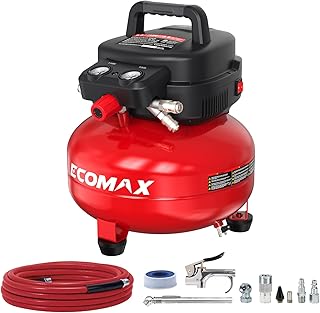
If your garage doubles as a workshop, consider dedicated space near a power outlet and away from high-traffic areas. For portable models like the ECOMAX Air Compressor 6 Gallon 150 PSI Pancake Portable Oil-free Tank with 10 PCS Accessories Kit, you can move it to the door when operating, but still maintain clearance.
Step 2: Verify Electrical Requirements
Most home garage compressors run on 120V (standard household outlet). However, larger models may need a 240V circuit or a dedicated 20-amp breaker.
Check the motor plate for amp draw. If your compressor draws more than 15 amps, plug it directly into a wall outlet—never use an extension cord. Voltage drop can damage the motor and cause fire.
For the DEWALT Pancake Air Compressor, 6 Gallon, 165 PSI (DWFP55126), a 15-amp circuit is usually sufficient. But always confirm.
Need more details? Read our guide on Electrical Requirements for Air Compressors: What You Need to Know.
Step 3: Ensure Proper Ventilation
Air compressors produce heat and, if oil-lubricated, may emit small amounts of vapor. Good ventilation prevents heat buildup and reduces the risk of fire.
- Open a garage door or window slightly during operation.
- Use a fan to circulate air if the space feels stuffy.
- Never run a gas-powered compressor indoors—carbon monoxide is deadly.
For electric units, still ensure the compressor’s cooling fins are not blocked. Dust buildup can cause overheating, so clean the intake filter regularly.
Step 4: Prepare the Floor and Mounting
Anchoring a stationary compressor to the floor prevents tipping and reduces noise. Use rubber vibration pads or a dedicated mounting kit.
- Sweep the area clean to avoid debris getting sucked into the pump.
- For wheeled compressors, lock the casters or chock the wheels.
- For heavy models like the Klutch 29-Gallon Air Compressor, 2.5 HP, 120 Volts, 175 PSI, consider a small concrete pad or plywood base.
Step 5: Connect Air Hoses and Accessories
Before connecting tools, install an in-line moisture trap and pressure regulator near the tank outlet. This protects your tools and improves air quality.
- Use the correct hose diameter for your CFM requirements.
- Tighten all fittings with thread seal tape (not pipe dope on aluminum).
- Perform a leak check by pressurizing the tank and applying soapy water to connections.
Step 6: Perform the First Safety Test
Never skip this step—even on a brand-new unit.
- Close the drain valve and turn on the compressor.
- Let it fill to its rated pressure (e.g., 175 PSI).
- Listen for unusual noises or vibrations.
- Check the safety relief valve: pull the ring to ensure it opens and reseats.
- Open the drain valve to release moisture and verify it works.
If anything feels off, shut down and consult the manual. Regular testing is part of Air Compressor Safety Tips for Home and Workplace Use.
Daily Safety Checklist
Create a habit of checking these items before each use:
- Drain the tank daily to prevent rust and water buildup.
- Inspect the power cord for cuts or fraying.
- Verify the pressure gauge reads zero when off.
- Keep the area clear of clutter and tripping hazards.
Also remember: never operate the compressor with a damaged tank. Even small dents can weaken the structure and lead to rupture. For guidance on safe pressure limits, see Safe Air Tank Pressure Practices and Overpressure Prevention.
Recommended Air Compressors for Garage Setup
We’ve tested and rated several models that balance safety, power, and value. Here are top picks for garage users.



Comparison Table
| Product | Price | Rating | Key Features | Buy Now |
|---|---|---|---|---|
|
$299.99 | 4.4 | 2 HP, 175 PSI, oil-free, wheeled, low maintenance | Buy at Amazon |
|
$204.99 | 4.6 | 6 gal, 165 PSI, oil-free, high-flow regulator, durable | Buy at Amazon |
|
$169.99 | 4.7 | 150 PSI, 10-piece accessory kit, pancake, lightweight | Buy at Amazon |
|
$164.00 | 4.6 | Oil-free, 6 gal, low amp draw, easy carry handle | Buy at Amazon |
Choose based on your space and tool requirements. Larger tanks reduce cycle frequency; portability matters if you move the unit often.
Final Safety Tips and Compliance
Storing your compressor correctly extends its life. Always drain the tank after use and store in a dry area. If your garage is unheated, consider a low-temperature oil if you use a lubricated model.
Remember that workplace regulations may apply even in a home garage if you have employees. Learn about Workplace Air Compressor Compliance and Operation Best Practices. For storage and ventilation rules, see Ventilation and Storage Rules for Air Compressor Installations.
Conclusion
Setting up an air compressor safely in a garage doesn’t require professional help—just knowledge and caution. Choose a level spot, check your electrical supply, ensure ventilation, and test every safety component before regular use. With the right unit and proper habits, your air compressor will be a reliable partner for years.
Ready to buy? The DEWALT Pancake Air Compressor offers proven reliability, while the Klutch 20-Gallon provides extra capacity for heavier tasks. Either way, safety first.