

Setting up an air compressor safely starts with understanding its electrical needs. The wrong voltage or an undersized circuit can lead to tripped breakers, motor damage, or even fire hazards. Whether you’re outfitting a home garage or a professional workshop, knowing the electrical requirements ensures reliable performance and compliance with safety standards.
This guide walks you through voltage, amperage, wire sizing, and best practices. We’ll also recommend top-rated models that match common electrical setups. For broader safety advice, visit our Air Compressor Safety Tips for Home and Workplace Use.
Voltage and Phase: 120V vs. 240V
Most small to medium air compressors run on standard 120-volt household circuits. This includes popular portable models like the DEWALT Pancake Air Compressor, 6 Gallon, 165 PSI (DWFP55126). With a 120V plug, these units can be used almost anywhere in a home or garage without special wiring.
Larger compressors often require 240 volts to handle higher horsepower and duty cycles. For example, the Klutch 20-Gallon Air Compressor, 2 HP, 120 Volts, 175 PSI runs on 120V but draws significant amperage. If you need even more power, a 240V dedicated circuit may be necessary. Always check the nameplate for voltage and phase (single-phase is standard for residential use).
Amperage and Circuit Breaker Sizing
Knowing the running amperage helps you choose the right breaker. Use this formula: Amps = Watts ÷ Volts. A compressor rated at 1,500 watts on 120V draws 12.5 amps. Most 15-amp circuits can handle that, but you should avoid sharing the circuit with other high-draw tools.
For larger units like the Klutch 29-Gallon Air Compressor, 2.5 HP, 120 Volts, 175 PSI, a dedicated 20-amp circuit is recommended. Breakers should be sized 25% above the running amperage to handle startup surges. A good rule is to never exceed 80% of a breaker’s capacity for continuous loads.
Starting vs. Running Watts
Air compressors have a high inrush current when the motor starts—often 2–3 times the running watts. This surge can trip a shared circuit. Compressors with oil-free pumps, like the ECOMAX Air Compressor 6 Gallon 150 PSI Pancake Portable Oil-free Tank with 10 PCS Accessories Kit, tend to have lower startup loads but still require proper circuit sizing.
Always factor in the surge when selecting a generator or inverter. A compressor that draws 10 running amps may need 20–25 amps momentarily. If you frequently trip breakers, consider upgrading to a dedicated circuit or moving to a 240V setup.
Wire Gauge and Extension Cords
Undersized wires cause voltage drop, motor overheating, and poor performance. For a 15-amp circuit, use 14 AWG wire; for 20-amp, use 12 AWG. Never use a cord that is longer than necessary. If you must use an extension cord, choose a heavy-duty 12 or 10 AWG cord rated for the compressor’s amperage.
Portable compressors like the PORTER-CABLE Air Compressor, 6-Gallon, Pancake, Oil-Free (C2002-ECOM) come with short power cords intentionally—this encourages direct outlet connection. Always plug directly into a wall outlet or a properly rated extension cord. For more setup tips, see How to Set up an Air Compressor Safely in a Garage?.
Motor Type: Induction vs. Universal
Induction motors are found on most stationary and larger compressors. They are quieter, more efficient, and built for continuous duty. Universal motors (brushed) are common in smaller, lightweight units and provide higher RPM but wear faster.
The CRAFTSMAN Air Compressor, 2 Gallon Portable, 1/3HP Max 125 PSI Oil-Free uses a universal motor for portability. For quieter operation in a workshop, consider a model like the VEVOR 13-Gallon Air Compressor, 2HP, 66dB Quiet Operation, which features an induction motor. Induction motors also have lower startup current, making them friendlier on circuits.
GFCI and Electrical Safety
Modern electrical codes require GFCI protection in garages, basements, and outdoor locations. A GFCI outlet or breaker prevents electrocution by cutting power if it detects a ground fault. Air compressors with metal tanks and motors should always be plugged into a GFCI-protected receptacle.
Additionally, ensure the compressor is properly grounded. Never use a three-prong adapter or remove the ground pin. For overpressure prevention and tank care, read Safe Air Tank Pressure Practices and Overpressure Prevention.
Compliance and Best Practices
Workplace and home setups must follow OSHA and local electrical codes. This includes proper ventilation, clear access to disconnects, and labeling of dedicated circuits. For a full compliance checklist, visit Workplace Air Compressor Compliance and Operation Best Practices.
When selecting an air compressor, match its electrical requirements to your existing infrastructure. If you’re looking for portable inflation without a wall outlet, cordless options like the DEWALT Tire Inflator Portable Air Compressor 20V MAX (DCC020IB) offer flexibility. For heavy-duty home shop use, a 120V model with a 20-amp circuit is usually sufficient.
Comparison of Recommended Air Compressors
Below is a side-by-side look at six popular models that meet different electrical setups. Click any image to see the latest price on Amazon.
| Product | Image | Price | Rating | Key Features | Buy Now |
|---|---|---|---|---|---|
| Klutch 20-Gallon Air Compressor |  |
$299.99 | 4.4 | 120V, 2 HP, 175 PSI, 20 Gal tank | Buy at Amazon |
| Klutch 29-Gallon Air Compressor |  |
$329.99 | 4.4 | 120V, 2.5 HP, 175 PSI, 29 Gal tank | Buy at Amazon |
| ECOMAX 6-Gallon Pancake | 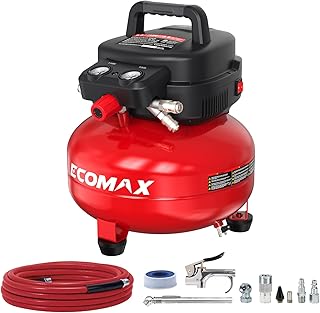 |
$169.99 | 4.7 | 120V, 150 PSI, oil-free, 10-pc accessory kit | Buy at Amazon |
| DEWALT Pancake 6-Gallon |  |
$204.99 | 4.6 | 120V, 165 PSI, oil-free, 6 Gal pancake | Buy at Amazon |
| PORTER-CABLE 6-Gallon Pancake |  |
$164.00 | 4.6 | 120V, 150 PSI, oil-free, lightweight | Buy at Amazon |
| VEVOR 13-Gallon Quiet |  |
$220.90 | 4.5 | 120V, 2 HP, 125 PSI, 66 dB, oil-free | Buy at Amazon |
Final Thoughts
Understanding electrical requirements is the first step to a safe and efficient air compressor setup. Always verify your circuit capacity before plugging in a new unit. For larger tanks and higher PSI, a dedicated 20-amp 120V circuit works for many home shops. For heavy commercial use, consult an electrician for 240V wiring.
Remember to also address ventilation and storage—read Ventilation and Storage Rules for Air Compressor Installations. With the right electrical preparation, your air compressor will deliver years of trouble-free service.