

Air compressors are powerful tools, but their stored energy demands respect. Overpressure in an air tank can lead to catastrophic failures, including ruptures and explosions. Understanding safe air tank pressure practices is non-negotiable for anyone using compressed air equipment. Whether you run a home workshop or a busy garage, proper pressure management protects both your gear and your safety.
This guide covers the critical steps to prevent overpressure, select the right compressor, and maintain safe operation. We’ll also look at top-rated compressors that build safety into their design.
Understanding Pressure Ratings and PSI Limits
Every air compressor has a maximum operating pressure, measured in PSI (pounds per square inch). This rating is set by the manufacturer and must never be exceeded. Operating above that limit stresses the tank walls, welds, and fittings.
Key pressure terms to know:
- Rated working pressure – the safe maximum continuous PSI
- Maximum burst pressure – the point where failure occurs (usually 2-4x the working pressure)
- Cut-in / cut-out pressure – the range at which the compressor cycles on and off
Always check the nameplate on your tank. For example, many Klutch 29-Gallon Air Compressor delivers 175 PSI max, giving you a generous safety margin for most tools.
The Dangers of Overpressure
Exceeding safe pressure limits can cause:
- Tank rupture – metal fatigue or corrosion weakened zones can burst
- Seal failure – gaskets and relief valves may blow out
- Tool damage – air tools rated for lower PSI can over-speed or explode
- Injury – flying debris and sudden release of compressed air
Overpressure is often the result of a faulty regulator, a stuck pressure switch, or a blocked relief valve. Regular inspection and proper setup eliminate these risks.
Safety Relief Valves and Their Function
Every air tank must have a safety relief valve. This device automatically opens when pressure exceeds the set limit, venting air to the atmosphere. It’s your last line of defense against overpressure.
How to test your relief valve:
- Locate the valve (usually a brass fitting with a ring pull)
- Pull the ring briefly – air should escape loudly
- Release – the valve should reseat and stop leaking
- If it sticks or leaks, replace it immediately
Never tamper with or block a safety valve. It’s a simple but vital component.
Regular Inspection and Maintenance
Routine checks prevent overpressure incidents before they happen. Follow these steps:
- Daily visual inspection – look for rust, dents, or cracks on the tank
- Monthly relief valve test – ensure it opens and closes freely
- Drain moisture – water inside the tank accelerates corrosion; drain after each use
- Check pressure switch settings – confirm cut-out matches the tank rating
- Inspect hoses and fittings – worn components can fail under pressure
For compressors with larger tanks like the DEWALT Pancake Air Compressor, 6 Gallon, 165 PSI, moisture drainage is especially important because the tank collects more condensation.
Best Practices for Safe Operation
Adopt these habits to maintain safe air tank pressure:
- Never exceed the rated PSI – even for a short time
- Use an adjustable regulator – set output to match your tool’s requirements
- Install a secondary pressure gauge – verify accuracy of built-in gauges
- Avoid repairing a leaking tank – welding or patching weakens the metal; replace the tank
- Store the compressor in a dry, ventilated area – humidity accelerates corrosion
- Follow the manufacturer’s duty cycle – continuous overuse can overheat the pump and pressure switch
For portable use, the ECOMAX Air Compressor 6 Gallon 150 PSI Pancake Portable Oil-free Tank with 10 PCS Accessories Kit features oil-free pumps that run cooler and reduce the risk of overheating.
Choosing the Right Compressor for Safety
Not all compressors are built with equal safety margins. Look for these features when buying:
- High-quality pressure switches – reliable cut-out prevents overpressurization
- Corrosion-resistant tanks – some models have epoxy linings or galvanized steel
- Low oil carryover – oil in the air can foul valves and cause pressure spikes
- Automatic safety shutoff – shuts down the motor if pressure exceeds limits
For heavy-duty workshop use, a PORTER-CABLE Air Compressor, 6-Gallon, Pancake, Oil-Free (C2002-ECOM) provides consistent 165 PSI with a durable pressure switch.
How to Prevent Overpressure Scenarios
Overpressure can happen even with good equipment. Common causes and fixes:
| Cause | Solution |
|---|---|
| Pressure switch fails to shut off | Install a separate pressure cutoff switch as backup |
| Regulator drifts upward | Use a high-quality regulator; check weekly |
| Safety valve corroded shut | Test monthly; replace annually |
| Tank rust weakens walls | Drain daily; inspect interior with a borescope annually |
| Line blockage | Keep air filters clean; use moisture traps |
Internal Links for Further Reading
For a deeper dive into related safety topics, check out these guides:
- Air Compressor Safety Tips for Home and Workplace Use
- How to Set up an Air Compressor Safely in a Garage?
- Electrical Requirements for Air Compressors: What You Need to Know
- Ventilation and Storage Rules for Air Compressor Installations
- Workplace Air Compressor Compliance and Operation Best Practices
Comparison of Top Safe Air Compressors
Below we compare four reliable models that excel in pressure management and safety features.
| Product | Image | Key Features | Price | Rating | Buy Now |
|---|---|---|---|---|---|
| Klutch 29-Gallon Air Compressor |  |
2.5 HP, 175 PSI, 29-gallon tank, no-maintenance pump, pressure stabilizers | $329.99 | 4.4 | Buy at Amazon |
| DEWALT Pancake 6-Gallon |  |
165 PSI, oil-free, high-flow regulator, durable metal cage | $204.99 | 4.6 | Buy at Amazon |
| PORTER-CABLE C2002-ECOM |  |
6-gallon, 150 PSI max, lightweight 30 lbs, low amp draw | $164.00 | 4.6 | Buy at Amazon |
| ECOMAX 6-Gallon Pancake | 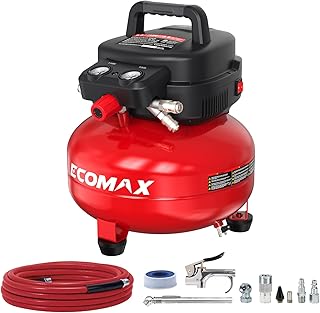 |
150 PSI, includes 10-piece accessory kit, oil-free, quiet operation | $169.99 | 4.7 | Buy at Amazon |
Each of these compressors includes a properly rated safety valve, reliable pressure switches, and robust tank construction. For most home and shop applications, the Klutch 20-Gallon Air Compressor ($299.99) offers an excellent balance of capacity and safety features.
Conclusion
Safe air tank pressure practices start with understanding your compressor’s limits, maintaining its safety devices, and choosing equipment built to prevent overpressure. Never bypass a relief valve, never exceed the rated PSI, and always inspect your tank for corrosion. By following these guidelines and selecting a reliable compressor like those reviewed above, you can work confidently with compressed air.
Protect your investment and your safety—make overpressure prevention a daily habit.