
When you invest in cordless power tools with brushless motors, you’re already ahead of the game in terms of efficiency, torque, and runtime. But even the best brushless drill, impact driver, or oscillating multi-tool will underperform if you don’t manage its charger correctly. Fast charging generates heat, and heat is the number one enemy of lithium-ion battery life.
Understanding how charging speed, heat dissipation, and battery chemistry interact is essential for anyone serious about their 18V/20V/36V ecosystem. This guide will help you keep your packs running strong for years, not months.
Why Brushless Motors Change the Charging Game
Brushless motors are inherently more efficient than brushed alternatives. They convert more electrical energy into mechanical power, which means less waste heat inside the tool. However, that efficiency also means you can draw higher currents from your battery without overheating the motor. As a result, brushless tools often demand more from the battery pack — and from the charger.
The DEWALT 20V MAX XR Oscillating Multi-Tool (DCS356B), for example, delivers up to 20,000 OPM with extended runtime thanks to its brushless motor. But to keep that runtime consistent, you need a charger that replenishes the battery quickly without cooking the cells.

The Heat Problem: Fast Charging vs. Battery Longevity
Lithium-ion batteries degrade faster when exposed to high temperatures. Fast charging, by definition, pushes current into the cells at a high rate. This generates internal resistance heat. If the charger lacks proper thermal management, the battery can hit 50°C (122°F) or more during a rapid charge cycle.
Key risks of poor charging habits:
- Reduced cycle life (200–300 cycles instead of 500–800)
- Swollen or venting cells in extreme cases
- Imbalanced cell voltages that reduce usable capacity
- Increased self-discharge when packs sit idle after hot charging
Most quality chargers from brands like DEWALT and Dremel include temperature sensors that slow the rate if the pack gets too hot. But you can help by charging in a cool, ventilated area and avoiding charging immediately after heavy use.
Comparing Popular Brushless Tool Kits and Their Charging Systems
Let’s look at a few top-rated brushless power tool kits and how their chargers handle heat and speed.
| Product | Price | Rating | Battery | Charger Type | Buy at Amazon |
|---|---|---|---|---|---|
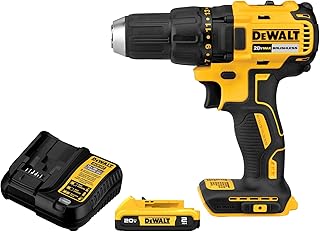 |
$99.00 | 4.7 | 2.0Ah | Standard 1-hour charger | Buy at Amazon |
 |
$169.00 | 4.8 | 2x 2.0Ah | Standard 1-hour charger | Buy at Amazon |
 |
$124.50 | 4.8 | 2.0Ah | Standard 1-hour charger | Buy at Amazon |
 |
$132.00 | 4.8 | Tool only | N/A (use existing charger) | Buy at Amazon |
 |
$79.99 | 4.6 | Built-in 8V | USB-C (fast charging) | Buy at Amazon |
 |
$149.00 | 4.7 | 3.0Ah (12V) | Dremel quick charger | Buy at Amazon |
Takeaway: Higher-priced kits often come with faster chargers or higher-capacity batteries. The DEWALT DCK277D2 combo kit at $169 gives you two 2.0Ah batteries and a charger — ideal for rotating packs while one charges.
Best Practices for Charging Brushless Tool Batteries
To maximize the lifespan of your Li-ion packs, follow these rules:
- Use the brand’s own charger. Third-party chargers may lack proper voltage cutoff and temperature monitoring.
- Charge at room temperature (10°C–30°C). Avoid charging in direct sunlight or freezing garages.
- Don’t charge immediately after heavy use. Let the battery cool for 15–30 minutes.
- Remove the battery once fully charged. Leaving it on the charger for days can stress the cells.
- Rotate multiple batteries. Having two or three packs allows you to always have a cool one ready.
If you’re building a one-battery ecosystem, this strategy becomes even more critical. Learn how to optimize your fleet in our guide: One-battery Ecosystem Strategy: Building a Cordless Shop Around Brushless Motor Tools and Shared Packs.
Fast Charging Standards: What to Look For
Most major brands now offer “fast chargers” that can top off a 2.0Ah pack in 30–45 minutes. These chargers work by delivering higher current (4–6A) while monitoring cell temperature.
DEWALT’s XR chargers (often included with kits like the DCS356C1) use active cooling fans to pull heat away from the battery during the charge. This allows faster charging without damaging the cells.
Dremel’s USB-C approach on the 8150 rotary tool is interesting — it uses a standard 15W–20W USB-C PD charger. That’s slower than a dedicated tool charger, but it’s extremely convenient if you’re already carrying a laptop charger.
The 18V/20V/36V Ecosystem and Charger Compatibility
One common question: “Can I use a 36V charger on an 18V battery?” Generally, no. Chargers are voltage-specific, though some crossover chargers exist (e.g., DEWALT’s 20V/60V FlexVolt charger). Always match the charger to the battery platform.
Understanding the differences between 18V, 20V Max, and 36V systems is crucial. Read our detailed comparison: 18V vs 20V Max vs 36V: Choosing the Right Battery Platform for Cordless Power Tools with Brushless Motors.
How Heat Affects Runtime Under Heavy Loads
Brushless motors are efficient, but they still draw high current under heavy load — for example, when cutting thick lumber with a jigsaw or grinding metal. That current heats up the battery from the inside. If the pack already came off the charger warm, you’re compounding the thermal stress.
The DEWALT DCS334B Jig Saw is a great example: it delivers up to 3,200 strokes per minute. Under continuous heavy cutting, the 2.0Ah battery can get warm. Letting the pack cool between cuts extends its life.
For jobs in cold weather or under sustained loads, see our tips: Cold Weather and Heavy Loads: Maximizing Runtime of Cordless Power Tools with Brushless Motors on Tough Jobs.
FAQ: Fast Charging, Heat, and Battery Life
Does fast charging always reduce battery life?
Not necessarily. Quality fast chargers with active cooling and smart charge profiles can safely charge in 30–45 minutes without significant degradation. The key is thermal management — chargers that monitor cell temperature and reduce current when needed are safe.
Can I leave my battery on the charger overnight?
It’s not recommended. Most modern chargers switch to a trickle or maintenance mode once full, but prolonged float charging can still stress the cells. Remove the battery once charged, especially if the charger lacks active cooling.
Why does my battery get hot when charging?
Internal resistance in the cells converts some of the charge current into heat. A warm pack (40°C–45°C) is normal during fast charging. If it’s too hot to hold (>60°C), stop charging and let it cool. Check if the charger vents are blocked.
How many cycles can I expect from a brushless tool battery?
With proper charging habits, a quality Li-ion pack (like DEWALT 20V or Dremel 12V) can deliver 500–800 full charge cycles. Using fast charging exclusively may reduce that to 300–500 cycles. Avoid deep discharges and extreme temperatures for maximum life.
What is the best way to store batteries?
Store at 40–60% charge in a cool, dry place (10–25°C). Never store fully charged or fully depleted for long periods. A partial charge reduces stress on the cells and slows capacity loss.
Final Thoughts: Charging Smart for Long Battery Life
Managing your chargers isn’t just about speed — it’s about system intelligence. The best brushless power tools demand chargers that match their efficiency. Whether you’re using a $99 DEWALT DCD777D1 drill driver set or a $149 Dremel 8250-5 rotary tool kit, following proper charging practices will keep your batteries healthy for years.
Remember: heat is the silent killer of Li-ion cells. Keep your packs cool, use the right charger, and rotate them on demanding jobs. Your wallet — and your next project — will thank you.
For a deeper dive into how battery amp-hours and cell configurations affect runtime, check out: How Battery Amp-hours, Cells, and Voltage Affect Runtime on Cordless Power Tools with Brushless Motors?.