

Angle grinders are incredibly versatile tools, but they generate a massive amount of fine dust and debris. Whether you are cutting concrete, grinding metal, or polishing stone, the airborne particles can pose serious health risks and reduce visibility. Implementing effective dust control best practices for angle grinder work is not just about cleanliness—it’s about protecting your lungs and staying safe.
In this guide, you’ll learn practical, actionable strategies to manage dust, the right protective gear, and how to choose a grinder that helps reduce airborne particles. Let’s dive into the essentials.
Why Dust Control Matters When Using an Angle Grinder
The dust produced during grinding often contains silica, metal shavings, or other hazardous materials. Long-term exposure can lead to respiratory illnesses such as silicosis or lung damage. Even short sessions can irritate your eyes and throat.
Besides health concerns, dust buildup can clog your tool’s vents, leading to overheating. That’s why dust control should be a top priority in your Angle Grinder Safety, PPE, and Best Practices routine.
Key Dust Control Strategies
You don’t need expensive systems to keep dust under control. These proven methods work for both DIYers and pros.
Use Grinding Discs with Dust Extraction
Many modern angle grinders come with a dust ejection system that blows debris away from the motor. However, the most effective approach is attaching a dust shroud or vacuum adapter. These accessories connect directly to a HEPA vacuum, capturing particles at the source.
Wet Grinding Techniques
Spraying a fine mist of water onto the workpiece reduces airborne dust significantly. This technique is common for cutting tiles or concrete. Just be careful with electric tools—ensure your grinder is rated for wet conditions or use a GFCI-protected outlet.
Position the Grinder for Minimal Spread
Angle the wheel so that sparks and debris are directed away from your body and toward a contained area. Working inside a tent or using a drop cloth helps control cleanup.
Essential PPE for Dust Management
Even with dust extraction, you need personal protection. The three most critical items are a respirator, safety glasses, and hearing protection.
- Respirator: Use an N95 or P100 rated mask when grinding concrete, stone, or painted surfaces.
- Eye Protection: Safety glasses with side shields or a full face shield prevent particles from reaching your eyes.
- Hearing Protection: Grinders typically exceed 90 dB, so earplugs or muffs are non-negotiable.
For a deeper dive, check out Best PPE for Angle Grinder Use: Eye, Face, Hand, and Respiratory Protection.
Selecting the Best Angle Grinders for Dust Control
The tool itself plays a major role in how much dust escapes. Features like dust ejection systems, variable speed, and paddle switches with guard designs help reduce airborne particles. Here are top-rated models that excel in dust management.
The DEWALT Angle Grinder, 4.5 Inch, 11 Amp (DWE402) is a professional favorite. Its 11-amp motor and dust ejection system keep debris away from the internal components, extending tool life. With a 4.8-star rating and ergonomic paddle switch, it offers excellent control.
If you want a cordless option that minimizes dust exposure, the DEWALT 20V MAX* Angle Grinder (DCG413B) delivers brushless power and a kickback brake. Its dust-sealed switch and brushless motor produce less internal dust buildup, while the brake stops the wheel quickly.
For a budget-friendly corded model, the Bosch GWS8-45 4-1/2 In. Angle Grinder combines a slim grip with a powerful 7.5-amp motor. Its compact design lets you maneuver into tight spaces while keeping dust clouds smaller.
The DEWALT Angle Grinder, One-Touch Guard (DWE4011) features a tool-free guard adjustment that lets you position the dust shroud quickly. This is ideal when you need to switch between cutting and grinding with minimal dust exposure.
Cordless fans will appreciate the AOBEN Cordless Angle Grinder 4-1/2 inch (21V Kit). It comes with two 4.0Ah batteries and a brushless motor that reduces vibration and dust scatter.
Other solid options include the DEWALT Angle Grinder with Dust Ejection System (DWE402W), the Metabo HPT G12SR4 (comes with five grinding wheels and a hard case), and the CRAFTSMAN V20* Angle Grinder (CMCG400B) for a value cordless pick.
Comparison Table: Top Angle Grinders for Dust Control
Check out these top-rated models side by side to find the best fit for your dust control needs.
| Product | Image | Price | Rating | Buy at Amazon |
|---|---|---|---|---|
| DEWALT DWE402 Corded |  |
$94.00 | 4.8 | Buy Now |
| DEWALT DWE4011 One-Touch |  |
$69.00 | 4.7 | Buy Now |
| Bosch GWS8-45 |  |
$62.10 | 4.6 | Buy Now |
| DEWALT DCG413B Cordless |  |
$155.99 | 4.8 | Buy Now |
| CRAFTSMAN CMCG400B Cordless |  |
$53.10 | 4.7 | Buy Now |
| Metabo HPT G12SR4 |  |
$59.00 | 4.6 | Buy Now |
| DEWALT DWE402W Dust Ejection |  |
$99.00 | 4.7 | Buy Now |
| AOBEN Cordless Kit | 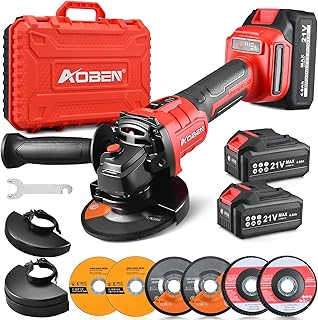 |
$58.48 | 4.5 | Buy Now |
Dust Control Accessories and Maintenance
Beyond the grinder itself, invest in dust shrouds and vacuum adapters. These accessories fit around the grinding wheel and connect to a shop vac with a HEPA filter. Many brands offer universal kits.
Proper maintenance also reduces dust. Clean the air vents on your grinder regularly—a clogged motor will blow more dust into the air. For detailed storage advice, read How to Store and Maintain Angle Grinders for Safer Operation?.
Final Thoughts
Dust control doesn’t have to be complicated. Combine a high-quality angle grinder with the right PPE, wet techniques, and a dust collection setup to keep your workspace clean and healthy. Always inspect your discs before use—learn more in Angle Grinder Wheel Safety: How to Inspect Discs before Use.
And remember, preventing kickback is equally important. Check out How to Prevent Kickback When Using an Angle Grinder? for additional safety measures.
Equip yourself with the right tool, a strong dust strategy, and the right PPE. Your lungs will thank you.