

Angle grinders are incredibly versatile tools, capable of cutting, grinding, and polishing metal, stone, and concrete. But that raw power comes with a serious risk: kickback. This sudden, violent reaction can yank the grinder from your hands, causing deep cuts, broken bones, or worse. Understanding how to prevent kickback isn’t optional—it’s essential for every operator, from DIY beginners to seasoned professionals.
Kickback happens when the rotating wheel binds or pinches in the material, forcing the grinder to jerk backward or upward toward you. The right technique, proper equipment, and consistent safety habits can all but eliminate this danger. Below, we’ll break down the causes, the safety gear you need, the best practices, and the top-rated angle grinders that come with built-in kickback protection.
Understanding Kickback and Its Causes
Kickback is typically caused by one of three scenarios:
- Pinching the wheel in a cut, often when the material shifts or closes in on the disc.
- Applying too much pressure, which overloads the wheel and causes it to grab.
- Using the wrong type of wheel for the material or speed rating.
The result is a sudden, explosive force that can throw the grinder backward toward your body. Most kickback injuries involve the hands, arms, or torso. That’s why prevention must start before you even pull the trigger.
Essential Safety Gear and PPE
Before discussing technique, you need the right personal protective equipment (PPE). Kickback might cause the wheel to shatter, sending fragments flying. Always wear:
- Impact-resistant safety glasses or a full face shield
- Cut-resistant gloves to maintain grip
- Long sleeves and heavy-duty work pants
- Steel-toed boots
For more detailed guidance on eye, hand, and respiratory protection, see our guide on Best PPE for Angle Grinder Use: Eye, Face, Hand, and Respiratory Protection.
Never operate an angle grinder without a guard installed. The guard is your first line of defense if the wheel shatters during a kickback.
Proper Grip and Stance
Your grip is your anchor. A loose hold gives the grinder room to jerk. Follow these steps:
- Use both hands – one on the main handle, the other on the side handle.
- Hold firmly but not rigidly – a death grip can cause fatigue; a relaxed, controlled grip lets you react smoothly.
- Position your body to the side of the cutting plane, not directly behind the wheel. If kickback occurs, the grinder will pull away from your center of mass.
Grinders with a paddle switch (like the DEWALT Angle Grinder, 4.5 Inch, 11 Amp, 11,000 rpm, With Paddle Switch, Ergonomic Compact Design Grinder Tool (DWE402)) allow you to release the tool instantly if something goes wrong. Paddle switches are inherently safer than slide switches for kickback-prone tasks.

Using the Right Wheel and Inspection
Kickback often starts with a damaged or mismatched wheel. Always check the disc before mounting it:
- Look for cracks, chips, or uneven wear. A cracked wheel can explode under pressure.
- Verify the wheel’s maximum RPM rating matches your grinder’s speed. Never exceed the disc’s rating.
- Use the correct wheel type for the job: grinding wheels for surface removal, cutting wheels for slicing, flap discs for finishing.
For a deeper dive into disc safety, read Angle Grinder Wheel Safety: How to Inspect Discs before Use.
Techniques to Reduce Kickback
Even with the best equipment, your technique determines whether kickback happens. Here are the most effective strategies:
1. Let the Tool Do the Work
Pushing too hard forces the wheel to dig in, increasing friction and binding. Apply light to moderate pressure and let the grinder’s weight do the cutting. If you feel resistance, ease off.
2. Cut in the Right Direction
For cutting wheels, the direction of rotation matters. Most grinders spin clockwise (when viewed from the wheel side). The proper cutting technique is to move the grinder in the opposite direction of the wheel’s rotation (i.e., “up-cut” when cutting from the top). This prevents the wheel from climbing out of the cut and causing kickback.
3. Avoid Plunging or Twisting
Never jam the wheel into the material at an angle. Start the cut at the edge and let the wheel work its way in. Twisting the grinder while cutting can cause the wheel to bind violently.
4. Use a Grinder with Kickback Brake
Some advanced models include an electronic kickback brake that detects a sudden torque spike and instantly shuts off the motor. The DEWALT 20V MAX* Angle Grinder Tool Cordless Brushless, 4 1/2 Inch, with Paddle Switch and Kickback Brake, Tool Only (DCG413B) is a standout choice. Its brushless motor and brake system make it one of the safest cordless grinders on the market.

Dust Control and Visibility
Kickback often occurs because you can’t see the cut line clearly. Dust and debris can obscure your view, causing you to misjudge the wheel’s position. Use:
- A dust extraction system or shop vacuum adapted to your grinder.
- Proper lighting on the work area.
- Breathing protection (N95 or better) to avoid inhaling fine particles.
For more on keeping your workspace clean and safe, check Dust Control Best Practices for Angle Grinder Work.
Tool Maintenance and Storage
A well-maintained grinder is less likely to kick back. Loose guards, worn bearings, or a sticky trigger can all contribute to unpredictable behavior. Regularly:
- Check the guard alignment and tighten any loose screws.
- Lubricate the spindle according to the manufacturer’s instructions.
- Inspect the power cord for cuts or fraying (for corded models).
- Store the grinder in a dry, clean case to prevent dust buildup.
Learn more in our guide: How to Store and Maintain Angle Grinders for Safer Operation?
Recommended Angle Grinders for Safe Operation
Investing in a grinder with safety-focused features can dramatically reduce the risk of kickback. Below are top-rated models that combine power, ergonomics, and built-in protection.
| Product | Price | Rating | Key Safety Feature | Buy at Amazon |
|---|---|---|---|---|
|
$94.00 | 4.8 | Paddle switch, ergonomic grip | Buy Now |
 |
$69.00 | 4.7 | One-touch guard adjustment | Buy Now |
 |
$62.10 | 4.6 | Slim body for better control | Buy Now |
|
$155.99 | 4.8 | Kickback brake, brushless motor | Buy Now |
 |
$53.10 | 4.7 | Lightweight, paddle switch | Buy Now |
 |
$59.00 | 4.6 | Includes 5 grinding wheels, compact design | Buy Now |
 |
$99.00 | 4.7 | Dust ejection system, paddle switch | Buy Now |
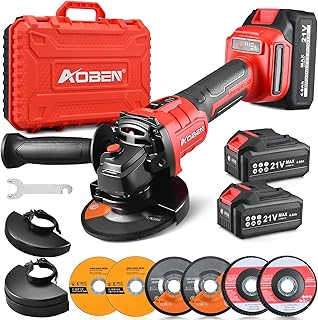 |
$58.48 | 4.5 | Brushless motor, 2 batteries | Buy Now |
Each of these grinders has been chosen for its balance of performance, user reviews, and safety features. For budget-conscious beginners, the Bosch GWS8-45 offers excellent ergonomics. If you want cordless convenience with serious kickback protection, the DEWALT DCG413B is hard to beat.
Final Thoughts
Kickback is a real danger, but it’s one you can completely avoid with the right knowledge, gear, and technique. Always wear full PPE, use a grinder with a paddle switch, and never force the tool. Practice on scrap material before tackling critical cuts. And remember: a split-second of inattention can lead to a lifetime of regret.
For a complete overview of angle grinder safety, start with Angle Grinder Safety Tips Every Beginner Should Know. Stay safe, stay smart, and keep your grinder under control.