

Running a safe and efficient workplace means staying on top of air compressor compliance. Whether you operate a small garage or a busy construction site, following proper setup, safety, and operation rules isn’t just good practice—it’s often required by law. Poorly managed compressors can lead to accidents, equipment damage, or costly fines. This guide covers everything from OSHA regulations to daily operation routines, plus recommendations for reliable compressors that meet industrial standards.
Larger compressors like the Klutch 29-Gallon Air Compressor, 2.5 HP, 120 Volts, 175 PSI offer the power and durability needed for continuous shop use, but even smaller units require careful compliance. Let’s break down the essentials.
Why Air Compressor Compliance Matters
Regulatory bodies such as OSHA and ASME set strict guidelines for compressed air systems. Failure to comply can result in workplace hazards like tank ruptures, electrical fires, or hearing damage. Compliance isn’t just about paperwork—it protects your team and your bottom line.
Key standards include proper pressure ratings, regular inspections, and safe electrical setups. For a deeper dive, check out our Air Compressor Safety Tips for Home and Workplace Use. Understanding these rules is the first step toward a safer workspace.
Common Compliance Requirements
- Pressure vessel certification: Tanks must meet ASME standards and be inspected periodically.
- Pressure relief valves: Every system needs an operational relief valve set below tank max pressure.
- Electrical safety: Motors and wiring must match the compressor’s voltage and amperage, with proper grounding.
- Noise limits: OSHA caps exposure at 90 dBA for an 8‑hour shift; quieter models help.
Setting Up Your Air Compressor for Compliance
Proper installation prevents many common problems. Start by reading the manufacturer’s manual—it’s your primary compliance document. Place the compressor on a level, vibration‑dampened surface, away from walls or clutter. Ventilation is critical because compressors generate heat and moisture. For garage setups, see our guide on How to Set up an Air Compressor Safely in a Garage?.
Electrical Requirements
Most residential and light‑commercial units run on 120V, but larger compressors often need 240V. Check the nameplate and ensure your circuit can handle the starting current—typically two to three times running amps. Dedicated circuits are best. For detailed specs, read Electrical Requirements for Air Compressors: What You Need to Know.
Ventilation and Storage
Place the compressor in a dry, clean area. Combustible dust or flammable vapors near the intake can cause severe damage. Allow at least 18 inches of clearance on all sides for airflow. Never store tools or rags on top of the unit. For more tips, visit Ventilation and Storage Rules for Air Compressor Installations.
Safe Operation Practices
Operation best practices minimize risk and extend equipment life. Always wear appropriate PPE—safety glasses, hearing protection, and closed‑toe shoes. Before each use, drain moisture from the tank (open the drain valve at the bottom). This prevents rust and water contamination that can damage tools.
Never exceed the maximum pressure rating. Most compressors have an automatic shutoff, but regulators can fail. Install an overpressure safety switch if your unit doesn’t have one. Learn more about Safe Air Tank Pressure Practices and Overpressure Prevention.
Daily Pre‑Operation Checklist
- Check oil level (for lubricated compressors)
- Inspect hoses and fittings for leaks or cracks
- Verify that the pressure relief valve functions freely
- Confirm that all guards and belts are intact
Maintenance for Long‑Term Compliance
Regular maintenance keeps your compressor within regulatory limits and running efficiently. Change the oil per manufacturer intervals (usually every 500 hours). Replace air filters when dirty. Tighten belt tension, and clean the cooling fins monthly.
Tank inspections are legally required in many industries. A visual check for rust, dents, or pitting should happen weekly. Annual hydrostatic testing is recommended for tanks over five years old. If you spot any bulging or corrosion, replace the tank immediately—do not repair it.
Recommended Compressors for Workplace Compliance
Choosing the right compressor makes compliance easier. Here are four models that balance power, durability, and safety features.

Klutch 29‑Gallon – 2.5 HP, 175 PSI, 120V. A vertical tank design saves floor space. No‑maintenance operation with thermal overload protection. Ideal for professional shops needing high runtime.

Klutch 20‑Gallon – 2 HP, 175 PSI, 120V. Portable with stabilizer legs and a built‑in pressure regulator. Great for small garages and mobile tasks.
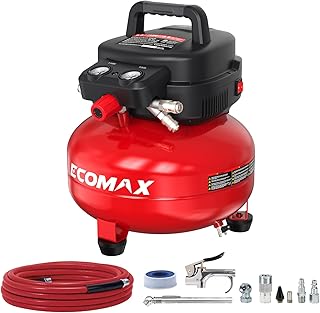
ECOMAX 6‑Gallon Pancake – 150 PSI, oil‑free, includes a 10‑piece accessory kit. Ultra‑portable and quiet enough for indoor use. Rated 4.7 stars—perfect for light duty.

DEWALT Pancake – 6 Gallon, 165 PSI, oil‑free. High CFM output with a durable pancake design. Trusted by pros for framing and finish work.
Comparison Table
| Product | Price | Rating | Key Feature | Image | Buy Now |
|---|---|---|---|---|---|
| Klutch 29‑Gallon | $329.99 | 4.4 | 2.5 HP, 175 PSI, vertical tank | |
Buy at Amazon |
| Klutch 20‑Gallon | $299.99 | 4.4 | 2 HP, 175 PSI, portable stabilizers | |
Buy at Amazon |
| ECOMAX 6‑Gallon | $169.99 | 4.7 | 150 PSI, oil‑free, 10‑pc kit | |
Buy at Amazon |
| DEWALT Pancake | $204.99 | 4.6 | 165 PSI, high CFM, oil‑free | |
Buy at Amazon |
Final Thoughts
Workplace air compressor compliance doesn’t have to be complicated. By choosing the right equipment, following setup guidelines, and performing regular maintenance, you’ll create a safer, more productive environment. Always refer to your local codes and OSHA standards, and invest in quality compressors that include built‑in safety features.
For even more detail, explore our full series on air compressor safety and setup. Whether you’re outfitting a new shop or upgrading an old system, the right knowledge—and the right tool—makes all the difference.