

Your air compressor works hard every day. It powers nail guns, inflates tires, and runs spray guns. But without regular care, even the best machine will fail. Following a consistent air compressor maintenance checklist keeps your equipment reliable, efficient, and safe. Let’s break down the daily, weekly, monthly, and yearly tasks that protect your investment and extend its lifespan.
A well-maintained compressor not only runs longer but also cuts energy costs and prevents costly repairs. Whether you own a compact pancake unit or a large vertical tank, these steps apply to every type. For best results, match your maintenance routine to your specific model. We’ll also cover top-rated compressors that make upkeep easier, like the ECOMAX Air Compressor 6 Gallon 150 PSI Pancake Portable Oil-free Tank which requires minimal maintenance.
Daily Maintenance Tasks
Drain the Moisture from the Tank
Water accumulates inside the tank every time the compressor runs. If not drained, moisture causes rust and damages internal components. Open the drain valve at the bottom of the tank at least once a day after use. Always follow the manufacturer’s instructions for safe depressurization first. Need a refresher? Read our guide on How to Drain Moisture from an Air Compressor Tank?.
Check the Oil Level (for Oil-Lubricated Models)
If your compressor uses oil, check the dipstick or sight glass daily. Low oil leads to overheating and severe wear. Top off with the recommended grade if needed. Oil-free models like the DEWALT Pancake Air Compressor, 6 Gallon, 165 PSI (DWFP55126) eliminate this chore entirely.
Inspect for Air Leaks
Listen for hissing sounds around fittings, hoses, and connections. A small leak wastes energy and forces the compressor to cycle more often. Tighten loose connections or replace worn seals immediately.
Weekly Maintenance Tasks
Clean or Replace the Intake Air Filter
A dirty filter restricts airflow and forces the pump to work harder. Remove the filter element and tap it clean or wash it if reusable. Replace disposable filters every few months—or sooner in dusty environments. Learn more about When to Replace Air Filter, Belt, and Other Wear Parts?.
Inspect Belts and Pulleys
Loose or worn belts slip, cause vibration, and reduce efficiency. Check belt tension by pressing down midway; it should deflect about half an inch. Look for cracks, fraying, or glazing. Tighten or replace as needed. Also examine pulleys for wear.
Check Hoses for Cracks
Rubber hoses dry out over time. Inspect them weekly for cracks, bulges, or soft spots. Replace damaged hoses before they burst under pressure. A small investment in quality hoses prevents big safety issues.
Monthly Maintenance Tasks
Test the Safety Relief Valve
The safety valve prevents over-pressurization. Pull the ring or lever to allow a quick burst of air. If no air releases or if the valve sticks, replace it immediately. This simple test could save you from a dangerous tank rupture.
Examine the Pressure Switch
The pressure switch controls when the motor starts and stops. Listen for unusual clicking or erratic cycling. Clean any debris from the switch contacts. For persistent problems, consult our article on Why Your Air Compressor Is Not Building Pressure?.
Clean the Cooling Fins and Ventilation Areas
Dust and debris clog cooling fins on the pump and motor, leading to overheating. Use compressed air or a soft brush to clear them monthly. Good airflow is critical for Air Compressor Overheating: Causes and Fixes.
Yearly and Long-term Maintenance
Change the Oil (Oil-Lubricated Models)
Drain and replace the oil at least once a year, or more often in heavy use. Old oil loses lubrication and can damage the pump. Use the viscosity recommended in your manual. Oil-free compressors skip this step entirely, making them popular for light-duty use.
Replace Air Filter, Belt, and Other Wear Parts
Even with regular cleaning, filters and belts eventually wear out. Replace them annually for dependable performance. The same goes for seals, gaskets, and check valves. Proactive replacement prevents sudden breakdowns. Read more about Common Air Compressor Failure Signs and What They Mean.
Professional Servicing
For larger stationary compressors, schedule a professional inspection every two years. A technician can test tank integrity, calibrate controls, and check for hidden corrosion. This is especially important if you run your compressor daily in a commercial setting.
Choosing a Reliable Air Compressor for Easier Maintenance
Not all compressors are built the same. Oil-free models like the PORTER-CABLE Air Compressor, 6-Gallon, Pancake, Oil-Free (C2002-ECOM) require less daily upkeep—just drain the tank and clean the filter. Larger units like the Klutch 20-Gallon Air Compressor, 2 HP, 120 Volts, 175 PSI offer high pressure and durability for demanding jobs. For maximum portability, the CRAFTSMAN Air Compressor, 2 Gallon Portable, 1/3HP Max 125 PSI Oil-Free is light and compact.
Below is a comparison of some of the best-selling models that combine reliability with easy maintenance. Each has been selected for its build quality, user ratings, and value.
| Product | Image | Price | Rating | Key Features | Buy at Amazon |
|---|---|---|---|---|---|
| Klutch 29-Gallon Air Compressor, 2.5 HP, 175 PSI |  |
$329.99 | 4.4 / 5 | No-maintenance pump, 175 PSI, 29-gallon tank, 2.5 HP, 120V | Buy Now |
| ECOMAX 6-Gallon Pancake, 150 PSI | 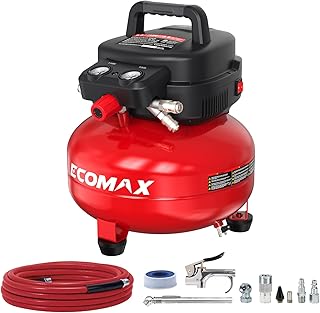 |
$169.99 | 4.7 / 5 | Oil-free, 10-piece accessory kit, 150 PSI, lightweight | Buy Now |
| DEWALT Pancake, 6-Gallon, 165 PSI |  |
$204.99 | 4.6 / 5 | Oil-free, 165 PSI, high-flow regulator, durable cast-iron pump | Buy Now |
| PORTER-CABLE 6-Gallon Pancake, Oil-Free |  |
$164.00 | 4.6 / 5 | Oil-free, high-efficiency motor, quick coupler, 150 PSI max | Buy Now |
| CRAFTSMAN 2-Gallon Portable, 125 PSI |  |
$149.99 | 4.1 / 5 | Oil-free, ultra-portable, 10-piece accessory kit, 1/3 HP | Buy Now |
For tire inflation on the go, consider the DEWALT Tire Inflator Portable Air Compressor 20V MAX (DCC020IB) or the Airmoto Tire Inflator Portable Air Compressor. These cordless models complement a larger shop compressor perfectly and require their own simple maintenance—mainly keeping batteries charged and nozzles clean.
Final Maintenance Checklist at a Glance
Follow this quick reference to keep your compressor running strong:
- Daily
- Drain moisture from tank
- Check oil (if applicable)
- Inspect for leaks
- Weekly
- Clean or replace air filter
- Inspect belts and hoses
- Monthly
- Test safety relief valve
- Clean cooling fins
- Check pressure switch
- Yearly
- Change oil (oil-lubricated models)
- Replace wear parts (filters, belts, seals)
- Professional inspection for large units
Consistent care is the secret to long-term reliability. A few minutes each day saves you hours of downtime and expensive repairs later. Invest in a quality compressor like the Klutch 29-Gallon Air Compressor or the versatile ECOMAX 6-Gallon Pancake—and stick to this maintenance schedule. Your compressor will thank you for years of trouble-free service.