

Your air compressor suddenly shuts down mid-job, and the housing is too hot to touch. It’s frustrating—and costly if you don’t act fast. Overheating is one of the most common air compressor failures, but it’s also one of the most preventable.
In this guide, we’ll walk you through why air compressors overheat, how to diagnose the root cause, and the fixes that will keep your compressor running cool for years.
Why Air Compressors Overheat
An air compressor works by compressing air, which naturally generates heat. Under normal conditions, the cooling system (fins, fan, oil, or ambient air) dissipates that heat. When something blocks or overworks that system, temperatures rise.
Overheating can lead to: thermal overload tripping, damaged pump seals, burnt motor windings, and reduced compressor lifespan. Catching it early saves you time and money.
Common Causes of Air Compressor Overheating
1. Clogged Air Intake Filters
The compressor draws in ambient air. If the intake filter is dirty, the pump struggles to pull enough air. This creates extra work, and the pump runs hotter.
Fix: Check your filter monthly. Replace it if it’s coated with dust or debris. A clean filter improves airflow and reduces strain.
2. Insufficient Ventilation
Many compressors are placed in tight corners or enclosed cabinets. Recirculating hot air will rapidly increase the internal temperature. The cooling fan can’t do its job when it’s re-breathing its own hot exhaust.
Fix: Leave at least 12–18 inches of clearance around the compressor. Ensure the room has cross‑ventilation or use a dedicated exhaust fan.
3. Low Oil Level or Wrong Oil Viscosity
For oil‑lubricated compressors, oil both lubricates and cools. Low oil levels mean more friction and less heat transfer. Using oil that’s too thick (high viscosity) can also restrict flow and cause overheating.
Fix: Check oil level every use. Use the manufacturer‑recommended viscosity (usually SAE 20 or SAE 30 non‑detergent compressor oil). Change oil every 500 hours or per manual.
4. Excessive Duty Cycle
Compressors have a rated duty cycle (e.g., 50% or 75%). Running beyond that, especially in hot weather, doesn’t give the pump time to cool between cycles. The thermal overload protector will trip repeatedly.
Fix: Match your compressor to the workload. If you’re consistently hitting the thermal cutoff, consider upgrading to a larger tank or higher‑duty‑cycle unit. Also allow the compressor to rest every 30 minutes of continuous run time.
5. Leaking Check Valve or Unloader Valve
A leaky check valve keeps the compressor from unloading properly after shutoff. The motor then starts under load, drawing high startup current and generating excess heat. Similarly, a stuck unloader valve can keep the pump constantly pressurized.
Fix: Test the check valve by listening for air leakage after shutdown. Clean or replace it. Unloader valves should be inspected and cleaned periodically.
6. High Ambient Temperature
If your compressor sits in an unventilated garage or a shed under direct sunlight, the ambient temperature can exceed 100°F. Cooling becomes inefficient.
Fix: Move the compressor to a shaded, cooler location. If that’s impossible, install a fan to blow cooler air across the pump.
How to Diagnose an Overheating Compressor
- Check the thermal overload: Has it tripped? Let the compressor cool fully before resetting.
- Feel the pump head and cylinder: If they’re too hot to keep your hand on (over 180°F), you have a problem.
- Listen for unusual noises: Knocking or squealing indicates bearing or oil starvation.
- Inspect the cooling fins and fan blades: Are they caked with grime? Clean them with compressed air.
Preventive Maintenance to Keep It Cool
Regular maintenance is the best defense against overheating. For a complete routine, read our Air Compressor Maintenance Checklist for Long-term Reliability.
- Drain the tank daily: Moisture buildup rusts the tank and reduces air capacity. See How to Drain Moisture from an Air Compressor Tank?.
- Replace air filters every 3–6 months. A dirty filter restricts airflow, forcing the pump to work harder.
- Inspect belts and bearings. Worn belts slip, causing motor strain. Check our guide on When to Replace Air Filter, Belt, and Other Wear Parts?.
- Listen for unusual sounds. Early detection can prevent major failures. See Common Air Compressor Failure Signs and What They Mean.
Choosing a Reliable Air Compressor That Runs Cool
If your current compressor is chronically overheating despite proper maintenance, it may be time for an upgrade. Look for models with oversized cooling fans, oil‑free pumps that run cooler (though less durable), and higher duty cycles.
Here are some top‑rated options that handle heat well:

Klutch 20-Gallon Air Compressor, 2 HP – $299.99 (4.4★) – Excellent for workshops with 175 PSI max pressure and thermal protection.

Klutch 29-Gallon Air Compressor, 2.5 HP – $329.99 (4.4★) – Larger tank for longer run times before cycling, with no-maintenance operation.
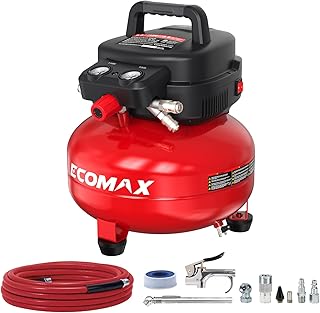
ECOMAX 6 Gallon Pancake Compressor – $169.99 (4.7★) – Oil‑free, lightweight, and includes 10 accessories – ideal for light‑duty use.

DEWALT 6-Gallon Pancake (DWFP55126) – $204.99 (4.6★) – High 165 PSI and reliable oil‑free pump with rapid recovery.

PORTER-CABLE 6-Gallon Pancake – $164.00 (4.6★) – Proven oil‑free design, low maintenance, and good for brad nailers and inflation.

CRAFTSMAN 2‑Gallon Portable – $149.99 (4.1★) – Ultra‑lightweight for small jobs – includes 10‑piece accessory kit.
Product Comparison Table
| Product | Image | Price | Rating | Buy Now |
|---|---|---|---|---|
| Klutch 20-Gallon | |
$299.99 | 4.4★ | Buy at Amazon |
| Klutch 29-Gallon | |
$329.99 | 4.4★ | Buy at Amazon |
| ECOMAX 6-Gallon | |
$169.99 | 4.7★ | Buy at Amazon |
| DEWALT Pancake 6-Gal | |
$204.99 | 4.6★ | Buy at Amazon |
| PORTER-CABLE C2002 | |
$164.00 | 4.6★ | Buy at Amazon |
| CRAFTSMAN 2-Gallon | |
$149.99 | 4.1★ | Buy at Amazon |
When Overheating Points to a Deeper Problem
Sometimes overheating is a symptom of a failing pump or motor. If you’ve cleaned the filter, improved ventilation, and changed the oil but the compressor still runs hot, it could be:
- Worn piston rings – losing compression and generating excess heat.
- Burned‑out motor bearings – causing extra friction.
- Valve plate damage – leading to inefficient compression.
At that point, a repair may cost nearly as much as a replacement. Check out our guide on Why Your Air Compressor Is Not Building Pressure? for related diagnostics.
Final Thoughts
Air compressor overheating is a clear warning sign. Most causes—dirty filters, poor ventilation, low oil—are easy to fix and cheap to prevent. A little regular maintenance goes a long way.
If you’re shopping for a new compressor, pick one with a reputation for cooling efficiency. The Klutch 29-Gallon and DEWALT Pancake both offer robust thermal protection and long run times.
Stay cool, keep your compressor happy, and get back to work.