

Few things are more frustrating than hooking up your air compressor, flipping the switch, and watching the pressure gauge barely budge. Whether you’re running a nail gun, spraying paint, or inflating tires, a compressor that refuses to build pressure brings your work to a grinding halt.
The good news is that most pressure problems have straightforward causes. In this guide, we’ll walk through the most common reasons your air compressor isn’t building pressure, how to diagnose each issue, and when it’s time to upgrade to a new machine. We’ll also cover essential maintenance steps to keep your compressor running strong for years.
Common Causes of Low Pressure in an Air Compressor
1. Air Leaks in the System
An air leak is the number one culprit. Even a tiny pinhole can prevent your compressor from reaching its cut‑out pressure. Leaks often occur at:
- Quick‑connect fittings
- Hose connections
- Tank drain valves
- Pressure relief valves
- Threaded joints
How to check: Apply soapy water to all fittings and watch for bubbles. Tighten or replace damaged components immediately.
2. Faulty Check Valve
The check valve allows air to flow into the tank but prevents it from escaping when the pump stops. A stuck or broken check valve will let compressed air bleed back into the pump cylinder or out the intake, stopping pressure from building.
Signs: The compressor runs continuously but the tank never reaches full pressure, or you hear a hissing sound from the unloader line.
3. Clogged Intake Filter
If your air intake filter is dirty, the pump struggles to pull in enough air. This starves the compression cycle and dramatically reduces output.
Fix: Remove the filter element and hold it up to a light. If you can’t see through it, replace it. For oil‑lubricated compressors, also check the oil level—low oil can cause the pump to run hot and lose efficiency.
4. Worn Piston Rings or Cylinder Walls
Over time, piston rings wear down, allowing air to blow past the piston instead of being forced into the tank. This is common on compressors with many hours of use or poor maintenance.
Diagnosis: A significant loss of pressure combined with excessive oil consumption (in oil‑lubricated units) points to ring wear.
5. Pressure Switch Problems
The pressure switch controls when the motor starts and stops. If the switch is set too low or fails to engage the pump properly, the compressor will shut off before reaching working pressure.
Check: Use a multimeter to test for continuity across the switch terminals. Adjustments can be made using the switch’s set screw, but proceed with caution.
6. Compressor Too Small for the Task
Sometimes your compressor is working just fine—it’s simply undersized. If the tool you’re running demands more CFM (cubic feet per minute) than the compressor can deliver, pressure will drop quickly.
Rule of thumb: Always match your compressor’s CFM rating at 90 PSI to the tool’s requirement. For continuous‑use tools like sanders or spray guns, aim for 30% extra capacity.
Step‑by‑Step Troubleshooting Checklist
Before you start taking things apart, follow this logical sequence:
- Turn off the compressor and unplug it. Safety first.
- Check the tank pressure gauge. Is it reading zero or very low? If the tank is empty but the motor runs, you likely have a pump or valve issue.
- Inspect all fittings for leaks. Use the soapy water method.
- Test the check valve. Remove the valve and manually check if it opens and closes freely.
- Clean or replace the intake filter. A dirty filter is an easy fix.
- Drain moisture from the tank. Water takes up volume and reduces air capacity. Learn more in our guide: How to Drain Moisture from an Air Compressor Tank?
- Listen for unusual sounds. A knocking noise may indicate a worn bearing or piston slap.
- Verify the pressure switch settings. The cut‑in should be around 90–100 PSI and cut‑out around 120–175 PSI, depending on your model.
Pro tip: If your compressor runs but won’t build any pressure at all, suspect a broken reed valve or a stuck unloader. These are common on smaller pancake compressors.
Preventive Maintenance to Avoid Pressure Loss
Regular maintenance is the best way to keep your compressor building full pressure. Follow this Air Compressor Maintenance Checklist for Long-term Reliability to stay on track.
Key tasks include:
- Draining the tank daily (or after every use) to prevent rust and moisture buildup.
- Changing the air filter every 3–6 months.
- Inspecting belts for wear and tension. See When to Replace Air Filter, Belt, and Other Wear Parts?
- Checking for overheating issues: Air Compressor Overheating: Causes and Fixes
- Listening for early warning signs: Common Air Compressor Failure Signs and What They Mean
Stick to this routine, and you’ll dramatically reduce the chances of a sudden pressure failure.
When to Upgrade: Choosing a Reliable Compressor
If your compressor is beyond repair, or you’ve simply outgrown its capacity, it’s time to invest in a new unit. Here are some of the best‑selling air compressors that deliver consistent pressure for both DIY and professional use.
Top Recommendations
Klutch 29-Gallon Air Compressor

This 2.5 HP unit delivers 175 PSI and a large 29‑gallon tank, making it ideal for running multiple tools simultaneously. The no‑maintenance operation saves time, and the rating (4.4 stars) speaks to its reliability.
ECOMAX 6 Gallon Pancake Compressor
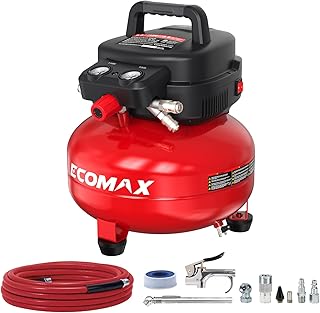
With a 4.7‑star rating and a full accessory kit, this oil‑free pancake compressor is perfect for brad nailers, staplers, and light inflation. It builds pressure quickly and is extremely portable.
DEWALT Pancake 6 Gallon, 165 PSI (DWFP55126)

A long‑time favorite among contractors, this DEWALT produces 165 PSI and has a 4.6‑star average from 7,000+ reviews. The high pressure means your tools get the power they need even on demanding jobs.
PORTER‑CABLE 6‑Gallon Pancake (C2002-ECOM)

Another solid pancake option with 4.6 stars. It’s lightweight, oil‑free, and includes a high‑flow regulator that helps maintain steady pressure—perfect for anyone frustrated by pressure drops.
Comparison Table of Recommended Compressors
| Product | Image | Price | Rating | Key Features | Buy at Amazon |
|---|---|---|---|---|---|
| Klutch 29‑Gallon | |
$329.99 | ⭐ 4.4 | 2.5 HP, 175 PSI, 29‑gal tank, no‑maintenance | Buy Now |
| ECOMAX 6‑Gallon | |
$169.99 | ⭐ 4.7 | Oil‑free, 150 PSI, 10‑pc accessory kit | Buy Now |
| DEWALT DWFP55126 | |
$204.99 | ⭐ 4.6 | 165 PSI, 6‑gal pancake, high‑flow regulator | Buy Now |
| PORTER‑CABLE C2002‑ECOM | |
$164.00 | ⭐ 4.6 | Oil‑free, low noise, lightweight | Buy Now |
Final Thoughts
An air compressor that won’t build pressure doesn’t mean it’s time to toss the whole machine. Start with the simple fixes — check for leaks, clean the filter, and drain the tank. If those don’t solve the problem, move on to the check valve and pressure switch. In many cases, a small replacement part can bring your compressor back to life.
But if your unit is old, undersized, or has worn internal components, upgrading to a reliable model like the Klutch 29‑Gallon, ECOMAX 6‑Gallon, or DEWALT Pancake will save you time and aggravation. These units are built to hold pressure consistently and are backed by thousands of positive reviews.
Remember, a well‑maintained compressor is a happy compressor. Stick to a regular care routine, and you’ll rarely face pressure issues again.
Have you recently fixed a pressure problem on your compressor? Drop your tips in the comments below — we’d love to hear what worked for you.