

Few things are as frustrating as a dead generator during a blackout or a chainsaw that refuses to start because the fuel has turned into gum. Proper fuel storage isn’t just about convenience—it’s a critical safety issue that protects your home, your family, and your equipment. Whether you rely on a standby generator during storms or fuel-powered tools for landscaping and construction, understanding how to store gasoline, diesel, and propane can prevent fires, explosions, and costly engine repairs.
This guide covers every aspect of safe fuel storage, from choosing the right container to managing long-term stability. We’ll also explore when battery-powered and air-powered tools can eliminate the need for fuel storage altogether—and highlight some of the best options on the market today.
Why Fuel Storage Safety Matters
Gasoline vapors are highly flammable and can ignite from a static spark, pilot light, or even a running engine. According to the National Fire Protection Association, thousands of home fires each year involve stored fuel. Generators and power tools are often stored in garages, sheds, or basements—spaces where ventilation may be limited.
The risks go beyond fire. Stale fuel can clog carburetors, damage seals, and leave you stranded when you need power the most. Proper storage extends the life of your equipment and ensures it runs reliably when called upon.
Key reasons to prioritize safe fuel storage:
- Prevents accidental ignition and fire spread
- Protects engine components from varnish and corrosion
- Reduces evaporative emissions that harm air quality
- Keeps your workspace organized and code-compliant
Understanding Fuel Types and Their Risks
Gasoline
Gasoline is the most common fuel for portable generators and handheld power tools. It has a low flash point (−43°F) and produces flammable vapors at nearly any ambient temperature. Gasoline begins to degrade after 30 days when mixed with ethanol. Stabilizers can extend its life to 12 months, but only if stored properly.
Diesel
Diesel fuel has a higher flash point (125°F+) and is less volatile than gasoline, making it somewhat safer. However, diesel is susceptible to microbial growth (algae) and wax crystallization in cold weather. It also degrades over time, forming sludge that can clog filters.
Propane and Natural Gas
Propane is stored as a liquid under pressure. It has a narrow flammability range and does not degrade over time, making it an excellent fuel for standby generators. Propane tanks must be stored upright and away from ignition sources. Natural gas is piped directly, eliminating storage concerns but limiting portability.
Comparison of common generator fuels:
| Fuel Type | Shelf Life (Untreated) | Flash Point | Typical Storage Container | Fire Risk Level |
|---|---|---|---|---|
| Gasoline | 30 days | −43°F | Plastic or metal can | High |
| Diesel | 6–12 months | 125°F+ | Metal or approved plastic | Moderate |
| Propane | Indefinite | −156°F (gas) | DOT-approved cylinder | Low (when handled correctly) |
Best Practices for Storing Fuel for Generators
Generators consume fuel quickly during extended outages, so many homeowners store 5–20 gallons in their garage or shed. Follow these guidelines to keep that fuel safe.
Choose the Right Container
Use only approved containers that meet UN/DOT or ASTM standards. Look for self-closing lids, flame arrestors, and pressure-relief valves. Metal cans are more durable than plastic but can corrode if moisture enters. Plastic cans are lighter and resist rust, but avoid leaving them in direct sunlight.
Never store fuel in:
- Glass jars
- Old milk jugs
- Unmarked containers
- Containers that previously held chemicals
Location and Ventilation
Store fuel containers in a detached shed or garage with moderate temperatures (50–80°F). Keep them at least 10 feet away from any ignition source—pilot lights on water heaters and furnaces are often overlooked. The storage area should have cross-ventilation to dissipate vapors.
If you live in a hot climate, consider a fuel storage cabinet rated for flammable liquids. These cabinets provide an extra layer of fire protection and containment in case of a spill.
Use Fuel Stabilizers
Add a stabilizer like STA-BIL or Sea Foam every time you fill a container for long-term storage. Stabilizers prevent oxidation and keep fuel fresh for up to two years. For gasoline, use the ethanol-specific formula if your fuel contains more than 10% ethanol.
Step-by-step fuel stabilization:
- Fill the container to 95% capacity (leave room for expansion).
- Add the recommended amount of stabilizer.
- Seal the container and shake gently for 30 seconds.
- Label the container with the date and fuel type.
Rotate Your Stock
Use the oldest fuel first. A simple way to manage this is to date each container when filled. For generators, run the engine once a month with the stored fuel to keep it fresh and exercise the machine.
Safe Storage for Fuel-Powered Tools
Chainsaws, leaf blowers, string trimmers, and hedge trimmers are often stored with mixed fuel (gasoline and two-cycle oil). Because these tools are used seasonally, fuel can sit for months. Here is how to handle it.
Use Pre-Mixed Fuel Cans
Many manufacturers sell pre-mixed fuel in sealed cans that last up to five years. While expensive, these cans eliminate the risk of mixing errors and stale fuel. They are ideal for occasional users.
Store Tools with Empty Tanks
If you won’t use a tool for more than 30 days, drain the fuel tank and run the engine until it stalls. This prevents varnish from forming in the carburetor. Some tools have a fuel shut-off valve—use it, then drain the carburetor bowl.
Avoid common mistakes:
- Leaving mixed fuel in the tank over winter
- Using fuel with more than 10% ethanol in small engines
- Storing tools beside containers of fresh fuel (vapors can cross-contaminate)
Battery and Air-Powered Alternatives
One of the safest ways to avoid fuel storage risks is to switch to battery-powered or air-powered tools. Cordless tools like the CRAFTSMAN V20 Air Compressor Portable let you inflate tires and run nailers without a drop of gasoline. Air tools are powered by compressed air from an electric compressor—no fumes, no spills, no stale fuel.

For more demanding tasks, a DEWALT Pancake Air Compressor (DWFP55126) delivers 165 PSI to run framing nailers, staplers, and impact wrenches. Pair it with a JASTIND Industrial Air Blow Gun for cleanup—no fuel required.

By choosing compressed air over gasoline, you eliminate one of the biggest hazards in your workshop.
Storage Containers and Safety Can Designs
Not all fuel containers are created equal. The best safety cans include:
- Flame arrestor – a mesh screen inside the spout that prevents external flames from entering the can.
- Self-closing lid – spring-loaded caps that seal automatically when released.
- Pressure relief valve – releases excess vapor pressure to prevent the can from bulging or rupturing.
- Color coding – red for gasoline, yellow for diesel, green for ethanol blends.
Metal vs. Plastic Cans
| Feature | Metal Safety Can | Plastic Safety Can |
|---|---|---|
| Durability | Very high – resists punctures | Moderate – can crack if dropped |
| Rust resistance | Low – can corrode internally | High – no rust |
| Weight | Heavy | Light |
| Cost | Higher | Lower |
| Best for | Long-term stationary storage | Portability and occasional use |
For most homeowners, a high-quality plastic can with a flame arrestor is sufficient. Just inspect the spout regularly for cracks.
Location and Environment Considerations
Your fuel storage area must meet several conditions to stay safe.
Temperature Control
Extreme heat increases vapor pressure inside containers, causing leaks or bulging. Extreme cold can cause condensation to freeze in diesel. Ideally, store fuel between 50°F and 80°F.
Fire Separation
Keep fuel containers at least 10 feet away from:
- Water heaters
- Furnaces
- Electrical panels
- Open flames (pilot lights, candles)
- Generators while running
If you must store fuel in an attached garage, install a flammable-liquid cabinet rated for 30-minute fire resistance.
Spill Containment
Place containers on a plastic drip tray or in a secondary containment bin. This catches any leaks and protects your floor from stains. In the event of a major spill, granulated absorbent kits can quickly neutralize the hazard.
Grounding and Bonding
When transferring fuel from a large drum to a smaller can, use a bonding wire to connect both containers. This prevents static electricity sparks. For home-scale storage (5-gallon cans), simply keep the nozzle in contact with the container opening.
Emergency Preparedness and Spill Management
Even with the best precautions, accidents happen. Be ready.
What to Do If You Spill Gasoline
- Stop the source immediately.
- Evacuate the area if vapors are strong.
- Turn off all ignition sources.
- Spread absorbent material (kitty litter, baking soda, or commercial absorbent) over the spill.
- Sweep up the absorbed material and place it in a sealed metal container.
- Dispose of the waste at a hazardous waste facility—never put it in the trash.
Fire Safety Equipment
Every garage or shed where fuel is stored should have:
- A Class B fire extinguisher (rated for flammable liquids)
- A smoke detector installed near the storage area
- A fire blanket for small ignitions
Test your extinguisher monthly and replace it if the gauge drops into the red zone.
Alternatives to Fuel-Powered Equipment
The absolute safest fuel storage is… none. Battery-powered and compressed air tools have matured to the point where they can handle most residential tasks without the risks of gasoline.
Cordless Air Compressors
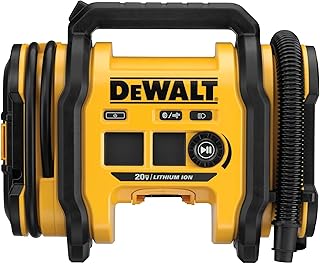
Compact units like the CRAFTSMAN V20 Air Compressor or DEWALT 20V MAX Tire Inflator run on rechargeable batteries. They are perfect for topping off tires, blowing dust from electronics, and powering brad nailers.
Traditional Plug-In Air Compressors
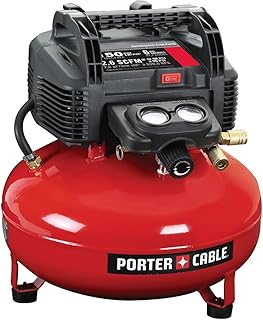
For larger jobs, a corded air compressor like the PORTER-CABLE 6-Gallon Pancake or CRAFTSMAN 2-Gallon Portable provides unlimited runtime and consistent pressure. These are oil-free, low-maintenance, and require no fuel at all.
Top air compressors for workshop use:
| Model | Tank Size | Max PSI | Power Source | Price | Rating |
|---|---|---|---|---|---|
| CRAFTSMAN 2 Gal | 2 gal | 125 | Electric | $129.99 | 4.0 |
| ECOMAX 6 Gal | 6 gal | 150 | Electric | $169.99 | 4.7 |
| PORTER-CABLE 6 Gal | 6 gal | 150 | Electric | $164.00 | 4.6 |
| DEWALT 6 Gal Pancake | 6 gal | 165 | Electric | $204.99 | 4.6 |
Air Tool Kits for Fuel-Free Power
A DYNAMIC POWER 50 Piece Air Tool Kit includes an impact wrench, ratchet, air hammer, and chisels—all powered by your compressor. No gasoline, no fumes, no storage worries.

For cleanup, the High Volume Powerful Industrial Air Blow Gun with a 17-26 inch extension reaches into tight spaces without any fuel.

When Fuel Is Unavoidable
If you still need a gasoline generator for heavy loads or portable power, consider a dual-fuel model that can run on propane. Propane stores indefinitely and burns cleaner. Pair it with a small battery-powered compressor for light tasks, and you dramatically reduce your fuel storage footprint.
For more on choosing the right generator, read Choosing a Generator for Power Outages at Home and Inverter vs Conventional Generator: What’s the Real Difference.
Maintenance and Inspection of Fuel Storage
Your fuel storage system needs periodic checks to remain safe.
Monthly Inspection Checklist
- Check containers for dents, cracks, or rust.
- Inspect seals and gaskets for degradation.
- Smell around storage area—any gasoline odor means a leak.
- Ensure lids close fully and lock if applicable.
- Verify that fire extinguisher is accessible and charged.
Annual Tasks
- Dispose of any fuel older than 12 months (or 24 months with stabilizer).
- Empty and clean containers with a non-sparking brush.
- Replace plastic containers if they have become brittle from UV exposure.
- Test smoke detectors and replace batteries.
Disposing of Old Fuel
Never pour gasoline down the drain or into the ground. Contact your local hazardous waste facility for drop-off hours. Many counties also host collection events. A 50/50 mix of old gas with fresh gas can sometimes be burned in a modern vehicle, but check your owner’s manual first—it’s safer to take it to a certified recycler.
Frequently Asked Questions
Can I store gasoline in my garage year-round?
Yes, as long as you use approved containers, keep them away from ignition sources, and maintain moderate temperatures. Rotate fuel every 6–12 months.
How long does gasoline last with stabilizer?
Up to 24 months if stored in a sealed container away from heat and sunlight. Without stabilizer, expect degradation in 30–60 days.
Is it safe to store fuel inside my house?
No. Fuel should never be stored inside living spaces. The risk of vapor accumulation in a confined area is too high.
What’s the best way to store fuel for a chainsaw?
Use pre-mixed cans for the most convenience, or mix fresh fuel with stabilizer for each use. Drain the chainsaw tank when storing for more than a month.
Are battery-powered air compressors as good as gas-powered ones?
For tasks like inflating tires, running nailers, and cleaning, yes. For continuous high-demand tools (e.g., sanders, grinders), a corded compressor is better. Battery units are ideal for portability and safety.
How do I clean up a small gasoline spill?
Absorb with kitty litter or commercial granules, sweep into a metal container, and dispose at a hazardous waste facility. Ventilate the area for several hours.
Can I store propane tanks next to gasoline cans?
Propane cylinders should be stored outdoors or in a well-ventilated shed, at least 10 feet from gasoline containers and building openings.
Final Thoughts
Safe fuel storage for generators and power tools comes down to three principles: use the right container, store in a cool ventilated space away from ignition sources, and rotate fuel before it degrades. But the ultimate step toward safety is eliminating the need for fuel altogether.
By incorporating battery-powered and air-powered tools into your workshop, you reduce fire hazards, eliminate stale-fuel frustrations, and simplify your maintenance routine. The CRAFTSMAN V20 Air Compressor, DEWALT Pancake Compressor, and DYNAMIC POWER Air Tool Kit are excellent starting points for a fuel-free workflow.
Check out our related guides for deeper dives:
- Oil-Free vs Oil-Lubricated Air Compressors: Which One Fits Your Workshop
- Air Compressor Maintenance Schedule: A Monthly Checklist
- How to Choose the Right Air Compressor Size for a Home Garage
- Setting Up Your First Workshop: Tools Every Beginner Needs
- How to Drain Your Air Compressor Tank the Right Way
Your safety is worth the small investment in proper storage equipment—and the peace of mind that comes from leaving gasoline behind.