

A combi boiler that shows a pressure reading below 1 bar is more than an inconvenience—it’s a warning. Low pressure can trigger a lockout, leaving you without heat or hot water in the middle of winter. The good news? Repressurising a combi boiler is a straightforward DIY task that takes less than five minutes, costs nothing, and saves you an emergency call-out fee.
But doing it right matters. Over-pressurise and you risk damaging internal seals or the expansion vessel. Under-pressurise and the boiler won’t fire. This guide walks you through every step, explains why pressure drops happen, and shows you how to keep your boiler in peak condition. And because a well-maintained workshop makes home repairs easier, we’ll also highlight how tools like the DEWALT Pancake Air Compressor, 6 Gallon, 165 PSI (DWFP55126) can help with broader maintenance tasks around your home.
Why Combi Boiler Pressure Matters
The Science Behind the Gauge
Your combi boiler uses a sealed water system. When the heating is off and the water is cold, the pressure should sit between 1.0 and 1.5 bar (most manufacturers recommend 1.2 bar). As water heats up, it expands and pressure rises naturally—that’s why you see the gauge climb to 1.8–2.0 bar during operation. That fluctuation is normal.
The magic lies in the expansion vessel. This internal tank contains compressed air that absorbs the extra volume of hot water, keeping pressure stable. If the expansion vessel loses its air charge (or fails completely), pressure can spike dangerously, causing the boiler to trip or leak.
Common Reasons for Pressure Loss
- Bleeding radiators: Releasing trapped air removes water from the system, lowering pressure.
- Small leaks: Drips at radiator valves, pipe joints, or the boiler itself.
- Faulty pressure relief valve: If it opens without reason, water escapes.
- Failed expansion vessel: The air bladder ruptures or loses charge.
- Normal evaporation: Over months, tiny amounts of water vapour escape through seals.
When you notice the gauge falling below 0.5–0.8 bar, it’s time to repressurise. Most modern boilers display a red zone or “F” (fault) code when pressure is too low.
Essential Tools and Safety Precautions
What You’ll Need
Before you start, gather these items:
- Your boiler’s manual – every model has a slightly different filling loop location and procedure.
- A filling loop (usually a braided steel hose with two valves) – some are built-in, others are external.
- A bowl or cloth – to catch any drips.
- A torch – if the boiler is in a dark cupboard.
You don’t need an air compressor to repressurise a combi boiler. However, a portable air compressor is invaluable for other home maintenance tasks like cleaning debris from boiler fins, inflating car tyres, or powering blow guns to dust off pipes before inspection. The CRAFTSMAN Air Compressor, 2 Gallon is a compact, oil-free unit that fits easily in any workshop or under-stairs cupboard.
Safety First
- Turn off the boiler – always isolate the electrical supply before opening any panel.
- Check for leaks – if you notice constant pressure loss even after repressurising, you may have a hidden leak.
- Never exceed 2.0 bar with the boiler cold. Over-pressurising damages seals and can cause water to vent from the pressure relief valve.
Step-by-Step Guide to Repressurising a Combi Boiler
Step 1: Locate the Filling Loop
The filling loop connects your mains water supply to the boiler’s heating circuit. It’s usually a flexible braided hose with two valves—one on the cold water pipe, one on the heating return. Some boilers have a built-in lever that you turn to open.
Refer to your manual. Common positions are underneath the boiler, behind a drop-down panel, or just beside the pipework.
Step 2: Check the Pressure Gauge
Look at the digital or analogue gauge on the front of the boiler. Write down the current reading (e.g., 0.5 bar). This helps you see how much water you need to add.
Step 3: Open the Valves Slowly
If you have a two-valve filling loop, open both valves fully. If it’s a single key or lever, turn it to align with the pipework. You should hear water rushing into the system.
Important: Do not open the valves abruptly. A sudden surge can dislodge sludge or cause water hammer.
Step 4: Watch the Gauge Climb
As water flows in, the needle rises. Stop when it reaches 1.0–1.2 bar (cold pressure). Go slowly—it’s easy to overshoot. If you go past 1.5 bar, you may need to drain some water from a radiator to lower it.
Step 5: Close Both Valves
Once the pressure is correct, close the valves firmly (clockwise). Do not leave them open, or your heating system will be permanently connected to the mains, risking over-pressurisation if the valves leak.
Step 6: Turn the Boiler Back On
Switch the electrical supply back on and reset the boiler (usually a button labelled “Reset” or “R”). Wait for the burner to fire. Listen for unusual gurgling—this may indicate air in the system.
Step 7: Bleed Trapped Air (If Needed)
If radiators are cool at the top, air may have been pushed into them. Use a radiator key to bleed each radiator, starting from the lowest floor. You’ll need to repressurise again after bleeding because releasing air also releases water.
Common Mistakes and How to Avoid Them
Over-Pressurising
The biggest mistake DIYers make is letting the pressure soar above 2.0 bar. The expansion vessel cannot handle excess volume, so the pressure relief valve opens and dumps water—often outside your home, sometimes inside. If you see water dripping from a pipe outside, you’ve gone too far.
Fix: Drain water from a radiator using a bleed key or a drain valve until the gauge drops back to 1.2 bar.
Leaving the Filling Loop Open
An open filling loop creates a continuous mains connection. If the mains pressure drops (e.g., when someone flushes a toilet), your boiler can siphon water back into the mains, contaminating the supply. Always close both valves after repressurising.
Ignoring the Expansion Vessel
If you have to repressurise every few days, the expansion vessel is likely faulty. A simple test: tap the top of the vessel with a spanner—it should sound hollow. A dull thud means it’s waterlogged. This requires professional replacement.
Using the Wrong Tools
Some filling loops need a key or a specific adapter. Forcing the wrong tool can strip threads. Keep your boiler manual handy. For other tasks like clearing blockages in boiler condensate pipes, an air blow gun connected to a compressor is much safer than using chemical drain cleaners. The High Volume Powerful Industrial Air Blow Gun with its extensible stainless steel nozzle makes short work of stubborn debris.
When to Call a Professional
Repressurising is a safe DIY job, but some situations demand an engineer:
- Pressure drops immediately after repressurising (large leak or failed vessel)
- Boiler keeps locking out with a fault code even when pressure is normal
- Water is visible on the floor or around seals
- You suspect a gas leak (smell of rotten eggs)
If you’re unsure, it’s better to invest £60–£80 in a service call than risk a major water leak or gas incident.
Building Your Home Maintenance Toolkit
Repressurising a boiler is one small part of keeping your home running smoothly. A well-stocked workshop—including a reliable air compressor—can handle dozens of other tasks: inflating car tyres, powering nail guns, cleaning gutters, and even helping with seasonal boiler servicing.
Below are some top-rated tools from the “Compressors and Power Tools” category that complement your boiler maintenance routine.
Featured Air Compressors
| Product | Price | Rating | Best For |
|---|---|---|---|
| CRAFTSMAN Air Compressor, 2 Gallon | $129.99 | 4.0 | Light duty, tight spaces |
| ECOMAX Air Compressor 6 Gallon, 150 PSI | $169.99 | 4.7 | Best value, high pressure |
| DEWALT Pancake Air Compressor, 6 Gallon, 165 PSI | $204.99 | 4.6 | Professional build quality |
| PORTER-CABLE Air Compressor, 6-Gallon, Pancake, Oil-Free | $164.00 | 4.6 | Reliable oil-free operation |

Why consider a pancake compressor? If you already have a boiler in a small closet, a compact 2-gallon unit like the CRAFTSMAN is easy to store. For more demanding jobs—like blowing out radiator pipes or running a spray gun for painting the boiler cover—a 6-gallon model like the ECOMAX gives you longer run time.
Cordless Tire Inflators for Quick Pressure Checks
Sometimes you need a quick top-up—not just for your boiler, but for your car tyres or wheelbarrow. The DEWALT Tire Inflator 20V MAX (tool only) lets you pressurise in seconds without dragging a hose. It’s also perfect for inflating air cushions used to lift boilers during servicing.
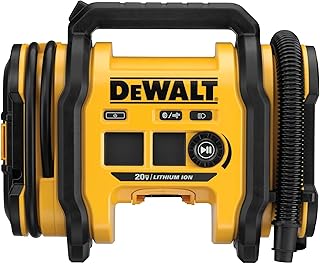
Similarly, the CRAFTSMAN V20 Tire Inflator runs on the same battery platform as other CRAFTSMAN tools, making it a versatile addition if you’re already in that ecosystem.
Air Tool Kits for Workshop Upgrades
Once you own a compressor, an air tool kit expands your capabilities. The DYNAMIC POWER 50 Pieces Air Tool Kit includes a 1/2” impact wrench, a 3/8” ratchet, an air hammer, and more. Use the impact wrench to remove stubborn bolts on boiler mounting brackets, or the air hammer to chisel away old sealant.

Blow Guns for Precision Cleaning
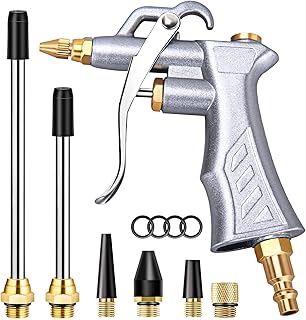
Before you repressurise, it’s a good idea to clear dust and debris from the boiler’s air intake. A blow gun like the JASTIND Industrial Air Blow Gun with adjustable brass nozzle lets you direct a concentrated stream of air exactly where needed—no risk of moisture damage.
Internal Links to Related Resources
Integrating these topics into your workshop knowledge will make you more self-sufficient:
- How to Bleed Radiators in Sequence Around Your Home – essential after repressurising.
- Common Air Compressor Problems and How to Fix Them Yourself – keep your compressor running.
- Air Compressor Maintenance Schedule: A Monthly Checklist – prolong tool life.
- Why Your Air Compressor Keeps Tripping the Breaker (And What to Do) – troubleshoot electrical issues.
- Oil-Free vs Oil-Lubricated Air Compressors: Which One Fits Your Workshop – make an informed choice.
- Pancake, Hot Dog, and Twin Stack Compressors Explained – understand tank shapes.
- How to Drain Your Air Compressor Tank the Right Way – prevent rust.
- Air Hose Size Guide: Picking the Right Diameter for Your Tools – optimise airflow.
- Sealing a Leaky Roof: Temporary Fixes vs Permanent Repairs – another common home repair.
- Setting Up Your First Workshop: Tools Every Beginner Needs – get started right.
Conclusion
Repressurising a combi boiler is a simple but critical skill for any homeowner. It’s fast, free, and keeps your heating system running efficiently. Remember: stop at 1.2 bar, close the valves, and bleed radiators if needed. If pressure keeps dropping, call a professional.
Your workshop can do more than just fix boilers. With a quality air compressor like the DEWALT Pancake Air Compressor, 6 Gallon, 165 PSI and a set of air tools, you can tackle everything from tyre inflation to gutter cleaning to powering nail guns for woodworking. Explore the products listed above—they’re all highly rated and built to last.
Stay warm, stay safe, and keep your pressure where it belongs.