

A ladder is one of the most fundamental tools in any workshop or job site. But selecting the wrong type can turn a simple task into a safety hazard. Whether you’re hanging drywall, cleaning gutters, or painting a ceiling, the right ladder means the difference between efficient work and a trip to the emergency room.
Modern power tools and air compressors often go hand-in-hand with ladder work. For example, using a CRAFTSMAN Air Compressor, 2 Gallon Portable to power a nail gun while you’re on a platform ladder speeds up roofing jobs significantly. But before you climb, you need to pick the right ladder for the task.
Understanding Ladder Types
Ladders come in several primary configurations. Each is designed for specific applications, weight loads, and working heights. Choosing the correct type starts with knowing your options.
Step Ladders
Step ladders are self-supporting and fold into an A-shape. They are the most common choice for indoor tasks like changing light bulbs, painting, or reaching high shelves. Step ladders typically range from 2 to 20 feet.
- Pros: Stable on flat surfaces, no need to lean against a wall.
- Cons: Limited height; can be heavy in larger sizes.
Extension Ladders
Extension ladders consist of two or more sections that slide to adjust height. They must be leaned against a solid support structure. They are essential for exterior work like gutter cleaning, window washing, and siding repair.
- Pros: Very high reach (up to 40+ feet), compact storage.
- Cons: Requires proper angle and secure footing; not self-supporting.
Multi-Purpose Ladders
These versatile ladders convert between step ladder, extension ladder, scaffolding, and even stair-level configurations. They are popular among homeowners and contractors who need one ladder for many jobs.
- Pros: Extremely flexible, saves storage space.
- Cons: Often heavier and more expensive than single-type ladders.
Platform Ladders
A platform ladder includes a large, stable platform at the top instead of a narrow step. This allows you to stand comfortably and work for longer periods. Ideal for painting, electrical work, or any task requiring both hands.
- Pros: Increased safety and comfort, integrated tool tray.
- Cons: Bulkier, higher cost.
Key Factors in Ladder Selection
Once you know the general type, dig deeper into specifications. The wrong rating or material can compromise safety.
Height and Reach
A common mistake is buying a ladder that is too short. The rule of thumb: for a step ladder, the top platform should be about 4 feet lower than the maximum reach. For an extension ladder, the top should extend at least 3 feet above the roofline or support point.
| Ladder Type | Maximum Working Height (for a 6‑ft person) |
|---|---|
| 6‑ft Step Ladder | 10 feet |
| 8‑ft Step Ladder | 12 feet |
| 16‑ft Extension Ladder | 18 feet (roof) |
| 24‑ft Extension Ladder | 26 feet (roof) |
Weight Capacity (Duty Rating)
Ladders are rated by the American National Standards Institute (ANSI). The most common ratings:
- Type III (Light Duty): 200 lbs – household use only.
- Type II (Medium Duty): 225 lbs – commercial painting, light maintenance.
- Type I (Heavy Duty): 250 lbs – construction, industrial.
- Type IA (Extra Heavy Duty): 300 lbs – heavy construction.
- Type IAA (Super Heavy Duty): 375 lbs – extreme industrial.
Always add your weight plus tools. If you carry a heavy impact wrench or air compressor accessories, factor that into the total load.
Material
- Aluminum: Lightweight, corrosion-resistant, affordable. However, it conducts electricity—never use near power lines.
- Fiberglass: Non-conductive, ideal for electrical work. Heavier and more expensive than aluminum.
- Wood: Traditional, non-conductive, but heavy and prone to rot. Rarely used today.
Ladder Feet and Stabilizers
Look for slip-resistant feet, wide flared bases, and optional stabilizer bars (standoffs) that keep the ladder away from gutters or windows. These features dramatically improve safety.
Safety First: Ladder Stability and Setup
Even the best ladder is dangerous if improperly set up. Follow the 4-to-1 rule for extension ladders: for every 4 feet of height, move the base 1 foot away from the wall.
- Always inspect the ladder before use—check for cracks, bent rungs, or missing feet.
- Place on firm, level ground. On soft soil, use a ladder leveler or plywood base.
- Never exceed the top three rungs of a step ladder or the top four rungs of an extension ladder.
- Maintain three points of contact (two hands, one foot or two feet, one hand) when climbing.
Using air tools from a ladder? Keep the hose out of your climbing path. A JASTIND Industrial Air Blow Gun is great for cleaning debris off the work area before you climb, but never dangle the hose where you could trip.
How Air Compressors Enhance Ladder Work
A quality air compressor is a powerhouse that makes ladder-related tasks faster and safer. From inflating the tires on your ladder cart to powering pneumatic nailers for roofing, the right compressor saves time and reduces fatigue.
Top Air Compressors for the Workshop
Here are some of the best compressors that pair well with ladder work. They provide reliable airflow for tools you use on or around ladders.
1. CRAFTSMAN Air Compressor, 2 Gallon Portable
– Price: $129.99 – Rating: 4.0
This lightweight unit is perfect for quick inflations and powering brad nailers while you’re on a step ladder. Its small size won’t clutter the worksite.

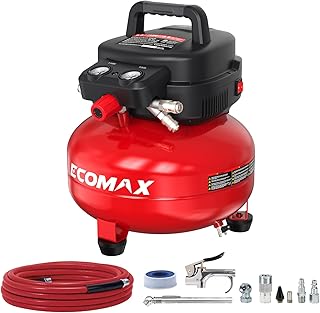
2. ECOMAX Air Compressor 6 Gallon 150 PSI
– Price: $169.99 – Rating: 4.7
A pancake compressor with plenty of volume for framing nailers and impact wrenches. Ideal for larger projects like roofing or siding where you’ll spend hours on an extension ladder.
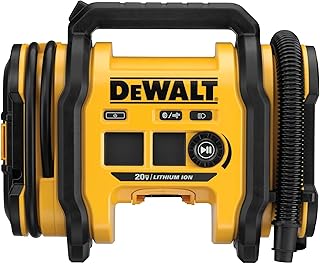
3. DEWALT Tire Inflator Portable Air Compressor 20V MAX
– Price: $130.22 – Rating: 4.6
If you’re moving a ladder on a truck or trailer, this cordless inflator keeps tires properly pressurized. It’s also handy for topping off air mattresses and sports equipment during job site breaks.
4. PORTER-CABLE Air Compressor, 6-Gallon Pancake, Oil-Free (C2002-ECOM)
– Price: $164.00 – Rating: 4.6
A staple for any workshop. It runs finish nailers and pneumatic staplers effortlessly, making trim work on a platform ladder a breeze.

5. CRAFTSMAN V20 Cordless Tire Inflator
– Price: $39.00 – Rating: 4.6
Ultra-portable and budget-friendly. Use it to top off the tires on your work truck or ladder cart. The digital gauge gives you precise pressure readings.

6. DEWALT Pancake Air Compressor, 6 Gallon, 165 PSI (DWFP55126)
– Price: $204.99 – Rating: 4.6
Higher PSI means more reserve capacity for continuous use. Great for roofing nailers and heavy-duty framing tools while balanced on a scaffolding plank or wide platform ladder.

Essential Air Tool Kits and Accessories
An air compressor is only as useful as the tools you attach to it. For ladder work, you need lightweight, high-quality accessories that won’t weigh you down.
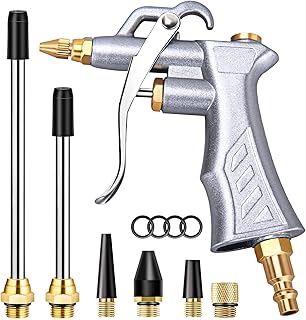
7. JASTIND Industrial Air Blow Gun with Brass Adjustable Nozzle
– Price: $11.99 – Rating: 4.6
Perfect for blowing dust off ladder rungs, cleaning work surfaces before climbing, or drying off wet feet. The brass nozzle provides precise airflow control.
8. DYNAMIC POWER 50 Pieces Air Tool Kit
– Price: $99.99 – Rating: 4.4
Includes an impact wrench, ratchet wrench, air hammer, and chisels. When you need to loosen rusty bolts on a ladder stabilizer or drive fasteners into a roof, this kit covers you.

9. High Volume Powerful Industrial Air Blow Gun with Extensible Nozzle
– Price: $12.99 – Rating: 4.6
Stainless steel with 360-degree swivel. Ideal for cleaning hard-to-reach spots around rafters and attic spaces when working from a step ladder.

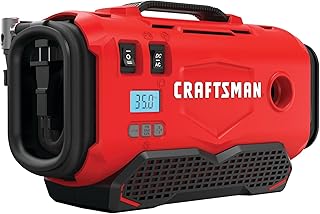
10. CRAFTSMAN V20 Tire Inflator Portable Air Compressor, 3 Modes
– Price: $49.00 – Rating: 4.4
This versatile inflator runs on battery, 120V corded, or 12V car adapter. It’s a life saver when you need to inflate tires on a job site far from an outlet.
Ladder Maintenance and Care
A well-maintained ladder lasts longer and performs safer. Incorporate your air compressor into your maintenance routine.
- Clean rungs and feet: Use a blow gun to remove dirt and debris after every job.
- Lubricate hinges and locks: A light coat of WD-40 or silicone spray keeps mechanisms smooth.
- Inspect for damage: Check for cracks, bent rungs, or loose rivets. Replace immediately if found.
- Store properly: Keep ladders out of direct sunlight and away from moisture. Store extension ladders horizontally on racks to prevent bowing.
If you use air tools on your ladder, keep the hose clean and free of oil residue. Regularly drain your air compressor tank to prevent moisture buildup—see our guide on How to Drain Your Air Compressor Tank the Right Way.
Expert Tips for Matching Ladder to Job
Different jobs demand different ladders. Here are real-world scenarios and our recommendations.
Painting a Two-Story Interior Wall
Recommended: 6- or 8-foot platform ladder with a wide top step.
Why: Platform ladders allow you to stand comfortably and reach the ceiling without stretching. Add a DEWALT Pancake Air Compressor with a paint sprayer (not included in our products, but the compressor is ideal) to speed up the job.
Roofing Repairs
Recommended: 24-foot extension ladder with a stabilizer standoff.
Why: Stability is critical on a roof. Use a PORTER-CABLE Air Compressor to power a roofing nailer. Keep the compressor on the ground with a 50-foot hose to reduce weight on the ladder.
Changing Light Fixtures or Ceiling Fans
Recommended: 6-foot step ladder (fiberglass for electrical safety).
Why: Fiberglass is non-conductive—essential when working near live wires. Avoid aluminum. Pair with a CRAFTSMAN V20 Tire Inflator for its integrated LED light (it has a light? Actually the DCC020IB has an LED light, but the CMCE520B does not—no worry, just mention its portability).
Cleaning Gutters
Recommended: Extension ladder with a wide platform accessory.
Why: You need both hands free. Use an ECOMAX Air Compressor 6 Gallon with a blow gun to blast leaves out of gutters while standing safely.
For more insights on compressor sizing, read How to Choose the Right Air Compressor Size for a Home Garage.
Integrating Safety with Power Tools
Using heavy power tools from a ladder increases your center of gravity. Always place tools on a tool holster or a bucket attached to the ladder’s top step. Never carry tools in your hands while climbing.
- Keep the hose behind you: Run the air hose over your shoulder or down the back side of the ladder to avoid tripping.
- Use tool tethers: Prevent drops by tethering impact wrenches and nailers to your belt.
- Avoid overreaching: Move the ladder instead of stretching. A good rule is to keep your belt buckle within the ladder’s side rails.
If you’re setting up a new workshop, check out Setting Up Your First Workshop: Tools Every Beginner Needs.
Conclusion
Choosing the right ladder for the job isn’t just about height—it’s about matching the ladder type, material, and duty rating to your specific task, environment, and tools. Integrating a reliable air compressor, like the CRAFTSMAN 2‑Gallon Portable or the DEWALT 6‑Gallon Pancake, elevates your efficiency and safety. Combined with proper ladder setup and maintenance, you create a work system that is both productive and secure.
Remember: never rush a ladder choice. Inspect your equipment, follow safety protocols, and invest in quality. Your spine—and your project—will thank you.
For more on managing your workshop, explore Air Compressor Maintenance Schedule: A Monthly Checklist and Common Air Compressor Problems and How to Fix Them Yourself.