

Picture this: A slow-draining kitchen sink. The water rises, the smell turns foul, and your first instinct is to reach for a bottle of Drano. But what if you could clear that clog in under a minute—without pouring caustic chemicals down your pipes? Using an air compressor and a few simple attachments, you can blast away blockages with nothing but compressed air. It’s faster, safer, and better for your plumbing.
In this guide, we’ll show you exactly how to unclog drains using common power tools like air compressors, blow guns, and even cordless inflators. You’ll learn the science behind pneumatic drain cleaning, which tools to buy (with real Amazon data), and step-by-step instructions that work on sinks, tubs, and toilets. No harsh chemicals. No plumber’s bill. Just clean, flowing drains.
Why You Should Ditch Chemical Drain Cleaners
Every plumber will tell you the same thing: chemical drain cleaners are a short-term fix that causes long-term damage. Here’s why:
- Pipe corrosion – Bleach, lye, and sulfuric acid eat away at PVC and metal pipes, especially with repeated use.
- Environmental harm – These chemicals end up in waterways, harming aquatic life.
- Health risks – Fumes can irritate lungs and skin. Spills ruin countertops and flooring.
- Ineffective on solid clogs – Grease, hair, and soap scum often resist chemicals, leaving you with standing water and a worse mess.
Instead, consider a pneumatic drain cleaner: a tool that uses compressed air to physically push or dislodge the blockage. No chemicals. No fumes. No damage.
How an Air Compressor Clears a Drain
The principle is simple: an air compressor stores pressurized air in a tank. When you attach a specialized blow gun or drain-cleaning nozzle, you can release that air in a powerful burst directly into the drain pipe. The sudden pressure surge acts like a miniature shock wave, dislodging grease, hair, and debris.
Most home clogs are soft blockages (soap scum, food particles, hair mats). Compressed air at 90–125 PSI is more than enough to break them apart. For tougher clogs, you can use higher pressure (up to 150 PSI) or multiple short bursts.
What you’ll need:
- A portable air compressor (2–6 gallon tank recommended)
- A blow gun with a rubber nozzle or a dedicated drain-cleaning attachment
- A towel or rag to seal the drain opening
- Safety glasses and ear protection
Essential Tools for Pneumatic Drain Cleaning
Let’s look at the best hardware for the job. We’ve pulled real product data from Amazon to help you choose.
Air Compressors
| Model | Tank Size | Max PSI | Price | Rating | Best For |
|---|---|---|---|---|---|
| CRAFTSMAN 2-Gallon Portable | 2 gal | 125 | $129.99 | 4.0 | Small sinks, quick tasks |
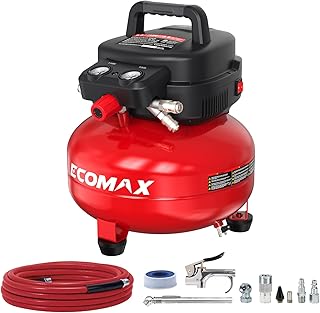
| ECOMAX 6-Gallon Pancake | 6 gal | 150 | $169.99 | 4.7 | Medium-to-large drains |
| PORTER-CABLE 6-Gallon Pancake | 6 gal | 150 | $164.00 | 4.6 | Daily workshop use |
| DEWALT 6-Gallon Pancake (165 PSI) | 6 gal | 165 | $204.99 | 4.6 | Heavy-duty clogs |
For occasional drain-clearing, a 2-gallon compressor is enough. For multiple drains or dense clogs, a 6-gallon model gives you longer run time. The ECOMAX Air Compressor 6 Gallon stands out with a 4.7-star rating and 150 PSI—perfect for blasting through stubborn grease.
If you want portability without a cord, consider a cordless inflator like the DEWALT Tire Inflator 20V MAX ($130.22). While designed for tires, it can push air through a drain with the right adapter—ideal for tight under-sink spaces. Another budget-friendly cordless option is the CRAFTSMAN V20 Cordless Tire Inflator ($39.00), which delivers up to 150 PSI.
Blow Guns and Drain Attachments
You can’t just stick the compressor hose into the drain. You need a blow gun that seals the opening and directs the air. The JASTIND Industrial Air Blow Gun ($11.99) comes with a brass adjustable nozzle and two steel extensions. That’s perfect for reaching down a sink overflow or through a tub drain.
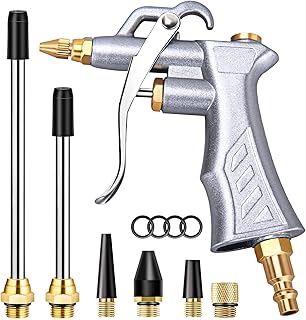
For larger drains or floor drains, the High Volume Powerful Industrial Air Blow Gun ($12.99) with a 17–26 inch extensible nozzle and 360-degree swivel hook gives you more reach and flexibility. Both are rated 4.6 stars.
Tip: Wrap a rag around the nozzle tip to create a tight seal. This prevents air from leaking back out and forces all the pressure into the pipe.
Step-by-Step: Clearing a Sink Drain with Compressed Air
Follow these steps for a kitchen or bathroom sink. The same method works for tubs and showers with minor adjustments.
1. Remove the sink strainer (if present)
Most sink drains have a metal or plastic strainer. Use pliers or a screwdriver to pop it out. This gives you direct access to the pipe.
2. Dry the area around the drain
Wipe away standing water so your seal holds better. A dry surface helps the blow gun nozzle or rag create an airtight seal.
3. Attach the blow gun to the air compressor
Connect your blow gun to the compressor’s quick-connect coupler. Set the compressor regulator to 90–100 PSI for starters. You can increase pressure later if needed.
4. Seal the drain and blast
Press the blow gun nozzle firmly into the drain opening. Use a towel to fill any gaps. Pull the trigger for 2–3 seconds in short bursts. Do not hold continuous pressure—you risk pressurizing the entire plumbing system, which can damage fittings.
5. Listen for the release
You’ll hear a “woosh” and possibly see debris shoot back out. That’s the clog breaking free. Run hot water for a minute to flush the pipe.
Important: For double sinks, you must plug the other drain. Use a wet rag or a rubber stopper to prevent air from escaping.
Clearing a Toilet Clog with Air (Yes, It Works)
Toilets are trickier because of the trap and the risk of splashing. But the same pneumatic technique can clear a toilet clog without a plunger or chemicals.
What you need:
- A blow gun with a rubber tip (or a toilet-specific adapter)
- A heavy-duty rag
- Safety goggles
Procedure:
- Remove as much toilet water as possible with a cup or shop vac.
- Insert the blow gun nozzle into the toilet outlet (the hole at the bottom of the bowl).
- Seal around it with a rag.
- Give one quick 1-second burst at 90 PSI. The air will travel through the trap and push the clog down the main drain.
- Flush to confirm.
Warning: Never exceed 100 PSI on a toilet. Too much pressure can crack the porcelain. Always wear eye protection.
Dealing with Grease and Soap Scum in Kitchen Drains
Kitchen clogs are often caused by solidified grease. Compressed air works remarkably well here because the sudden pressure breaks up the grease layer, and the air movement helps push it through.
If the clog is deep, try this variation:
- Use the CRAFTSMAN Air Compressor 2 Gallon ($129.99) for its lightweight portability—easy to carry to the kitchen.
- Attach a flexible drain snake extension (sold separately) to your blow gun to reach further down the pipe.
- Alternately blast with air and flush with boiling water (careful with PVC pipes—use hot tap water instead).

When to Use a Cordless Inflator Instead of a Full Compressor
Not everyone has a large air compressor in their garage. For quick drain jobs, a cordless tire inflator can do the job—as long as it delivers at least 100 PSI and you have a blow gun adapter.
The CRAFTSMAN V20 Tire Inflator with 3 Modes ($49.00) runs on battery, 120V corded, or 12V car adapter. That flexibility makes it great for apartments or outdoor drains.
Limitations: Cordless inflators have smaller air output. They work best on shallow clogs in bathroom sinks. For deep or heavy clogs, stick with a tank compressor.
Safety First: Air Compressor Precautions
Using compressed air on drains is safe if you follow these rules:
- Never exceed 150 PSI on household plumbing. Most PVC pipes are rated for around 120–150 PSI.
- Always wear safety glasses. Debris can fly back at high speed.
- Don’t aim the blow gun at your skin. Compressed air can enter your bloodstream through a cut—potentially fatal.
- Drain the compressor tank after each use to prevent rust and bacteria. See our guide on How to Drain Your Air Compressor Tank the Right Way.
- Use short bursts, not continuous flow. This prevents pressure buildup in sealed sections of pipe.
Maintenance Tips for Your Compressor
Keep your air compressor in top shape so it’s ready when you need it. Follow a monthly checklist like Air Compressor Maintenance Schedule: A Monthly Checklist.
Key tasks:
- Check oil level (if oil-lubricated). If you’re deciding between types, read Oil-Free vs Oil-Lubricated Air Compressors: Which One Fits Your Workshop.
- Drain moisture from the tank after every use.
- Inspect the hose and fittings for leaks.
Alternative Power Tools for Drain Cleaning
While compressed air is king, other power tools can help unclog drains without chemicals:
- Wet/dry vacuum – Remove standing water, then seal the hose over the drain to create suction. This pulls clogs backward. A shop vac is especially useful for tub drains.
- Drain snake (power auger) – For stubborn roots or dense hair mats. These are electric or hand-cranked.
- Pressure washer – For outdoor drains or main sewer lines. But be very careful—high pressure can damage pipes.
Why This Method Saves You Money
Professional drain cleaning costs $150–$500 per visit. A good air compressor like the PORTER-CABLE 6-Gallon Pancake ($164.00) pays for itself after one or two clogs. You also avoid the health and environmental costs of chemical cleaners.

Internal Links for Further Reading
If you’re new to compressors, check out these related guides:
- How to Choose the Right Air Compressor Size for a Home Garage
- Pancake, Hot Dog, and Twin Stack Compressors Explained
- Common Air Compressor Problems and How to Fix Them Yourself
- Cordless vs Corded Tools: Where Each One Still Wins
- Battery Platform Lock-In: How to Pick a Tool Brand
Final Thoughts
Unclogging drains without harsh chemicals is not only possible—it’s faster and safer. With a compact air compressor and a quality blow gun, you can clear sinks, tubs, and toilets in seconds. The upfront investment of $100–$200 saves you from repeat plumber visits and pipe damage.
Next time you face a slow drain, skip the bottle of chemicals. Grab your compressor, put on your safety glasses, and let the air do the work.
Remember to properly maintain your compressor after the job. For complete workshop setup advice, read Setting Up Your First Workshop: Tools Every Beginner Needs. And if you ever need to tackle a deep clog, consider pairing your compressor with a wet/dry vacuum for a one-two punch.
Now go clear that drain—the green way.